Reverse Dieting After a Cut Explained: Avoiding Rebound Weight Gain
Reverse Dieting After a Cut Explained: Avoiding Rebound Weight Gain
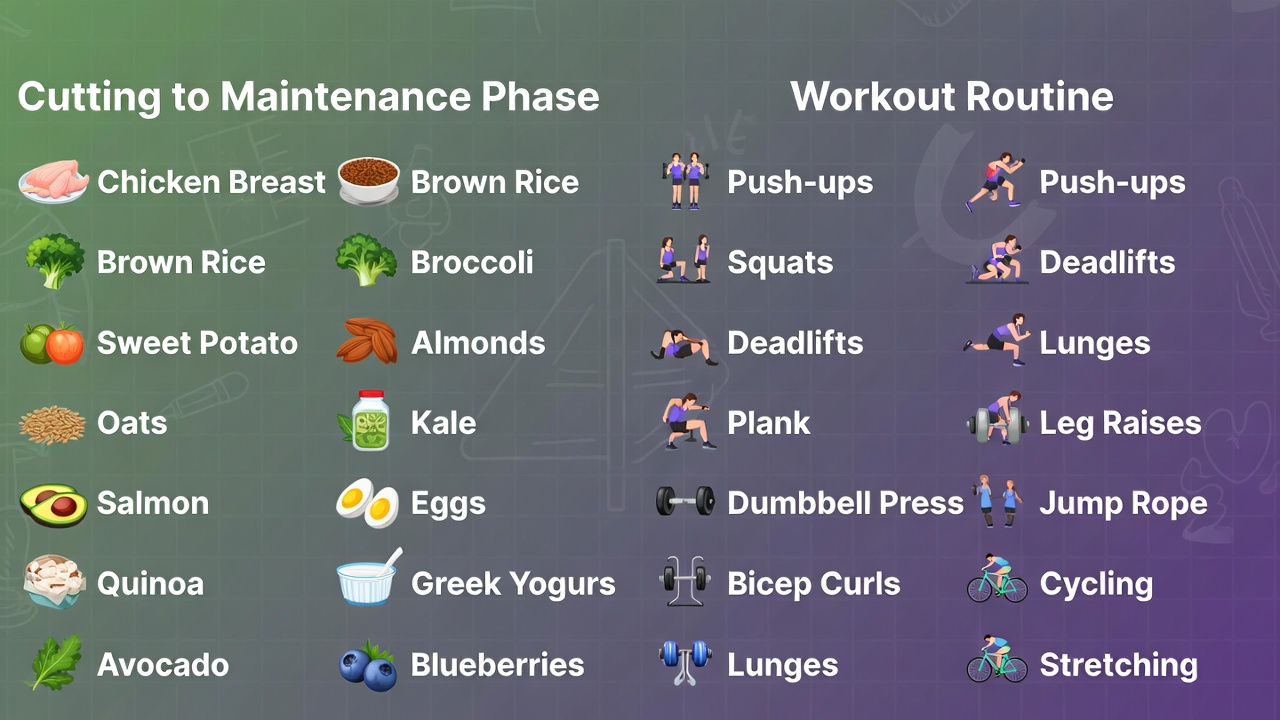
Imagine finally hitting your goal weight after months of disciplined cutting—only to watch the scale creep back up as soon as you relax your diet. This frustrating rebound weight gain is a common nightmare for fitness enthusiasts, bodybuilders, and anyone who's ever dieted for fat loss. But what if there was a strategic way to ease out of your calorie deficit without undoing all your progress? Enter reverse dieting after a cut: a methodical approach to increasing calories while minimizing fat regain.
TL;DR: Reverse dieting involves gradually increasing calorie intake after a cutting phase to boost metabolism and avoid rebound weight gain. It focuses on controlled macros, monitoring progress, and sustainable habits. Backed by science, it helps restore hormonal balance and prevents yo-yo dieting. Implement it with our step-by-step guide, sample meals, and tips for special diets.
What is Reverse Dieting?
Reverse dieting is a post-diet strategy that flips the script on traditional dieting. Instead of slashing calories to lose weight, you slowly add them back in after a prolonged cut. This technique is particularly useful for those who've been in a calorie deficit for weeks or months, as it helps transition to maintenance or even a surplus without shocking the body into storing excess fat.
Definition and Basics
At its core, reverse dieting means incrementally increasing your daily caloric intake—typically by 50-100 calories per week—while keeping an eye on body composition. The goal? To rev up your metabolism that's likely slowed down during the cut (a phenomenon known as metabolic adaptation). According to a study in the Journal of the International Society of Sports Nutrition, this adaptation can reduce resting metabolic rate by up to 20% after significant weight loss (Trexy et al., 2014).
Key principles include focusing on macronutrients: proteins stay high to preserve muscle, carbs and fats are added strategically for energy and hormones.
Why Implement Reverse Dieting After a Cut?
After a cut, your body is primed for rebound weight gain due to lowered leptin levels (a hormone that signals fullness) and increased ghrelin (hunger hormone). Reverse dieting mitigates this by allowing a gradual adjustment, helping you avoid the pitfalls of rapid refeeding. As explained in the American Journal of Clinical Nutrition, controlled calorie increases can restore thyroid function and energy expenditure without excessive fat storage (Müller et al., 2015).
For more on cutting phases, check out our ultimate cutting guide.
The Science Behind Reverse Dieting
Reverse dieting isn't just bro-science; it's grounded in physiology. During a calorie deficit, your body adapts by conserving energy—slowing metabolism, reducing non-essential activities, and altering hormones. Reversing this process thoughtfully can help you maintain your results long-term.
Metabolic Adaptation Explained
Metabolic adaptation occurs when your basal metabolic rate (BMR) drops below predicted levels due to dieting. A review in Obesity Reviews highlights that this can persist even after weight stabilization, leading to easier weight regain (Fothergill et al., 2016). Reverse dieting counters this by slowly increasing calories, allowing your metabolism to "catch up."
- Short-term effects: Improved energy levels and workout performance.
- Long-term benefits: Higher maintenance calories, reducing future diet needs.
Hormonal Changes and Recovery
Hormones like cortisol (stress) rise during cuts, while testosterone and thyroid hormones dip. Gradual calorie increases help normalize these, as supported by research from the Endocrine Society (Ho et al., 2019). This hormonal recovery is key to avoiding rebound weight gain and supporting muscle retention.
Muscle Protein Synthesis vs. Breakdown
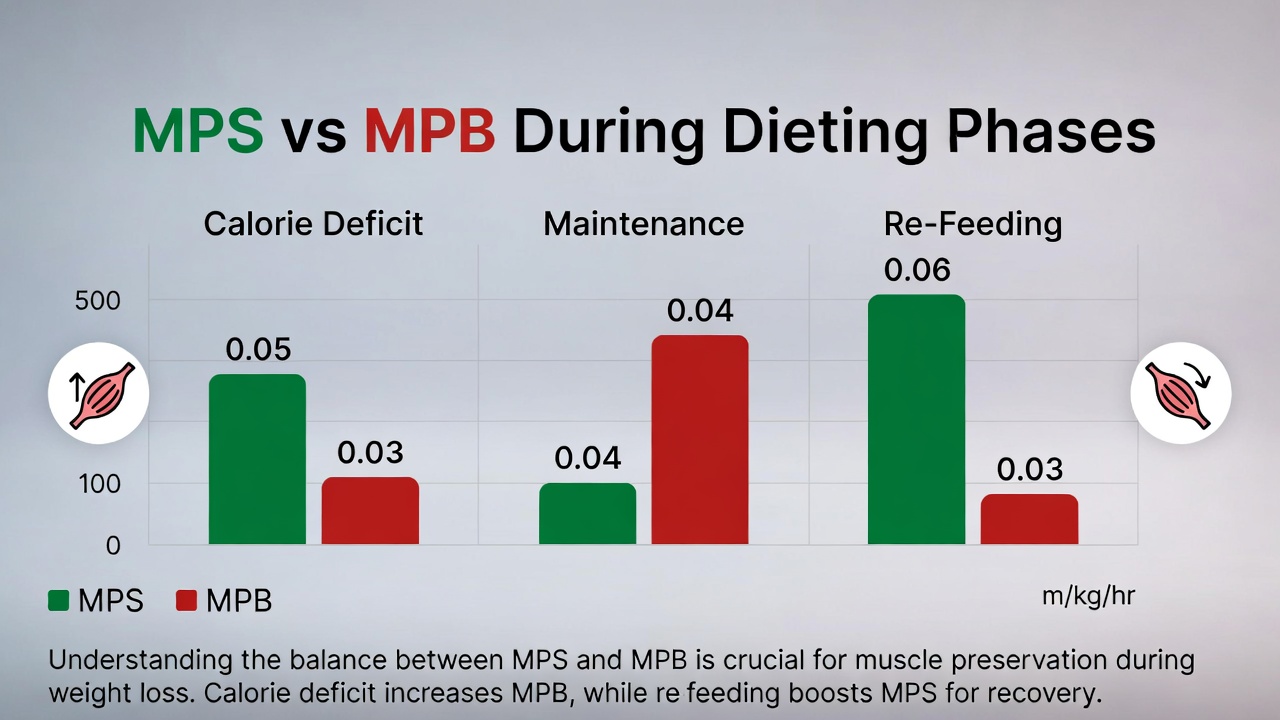
During a cut, muscle protein breakdown (MPB) often outpaces synthesis (MPS), risking muscle loss. Reverse dieting prioritizes protein to tip the scales back, with studies showing that 1.6-2.2g/kg bodyweight optimizes MPS (Morton et al., 2018).
How to Implement Reverse Dieting Step-by-Step
Starting reverse dieting requires calculation, patience, and tracking. Here's a practical guide to get you started without rebound weight gain.
Calculating Your Starting Point
Begin with your current cutting calories. Use tools like the Harris-Benedict equation to estimate maintenance, then add 50-100 calories weekly, mostly from carbs and fats. Monitor weight, measurements, and biofeedback (energy, sleep).
Example: If cutting at 2,000 calories, week 1: 2,050-2,100; adjust based on response.
Macronutrient Breakdown and Timing
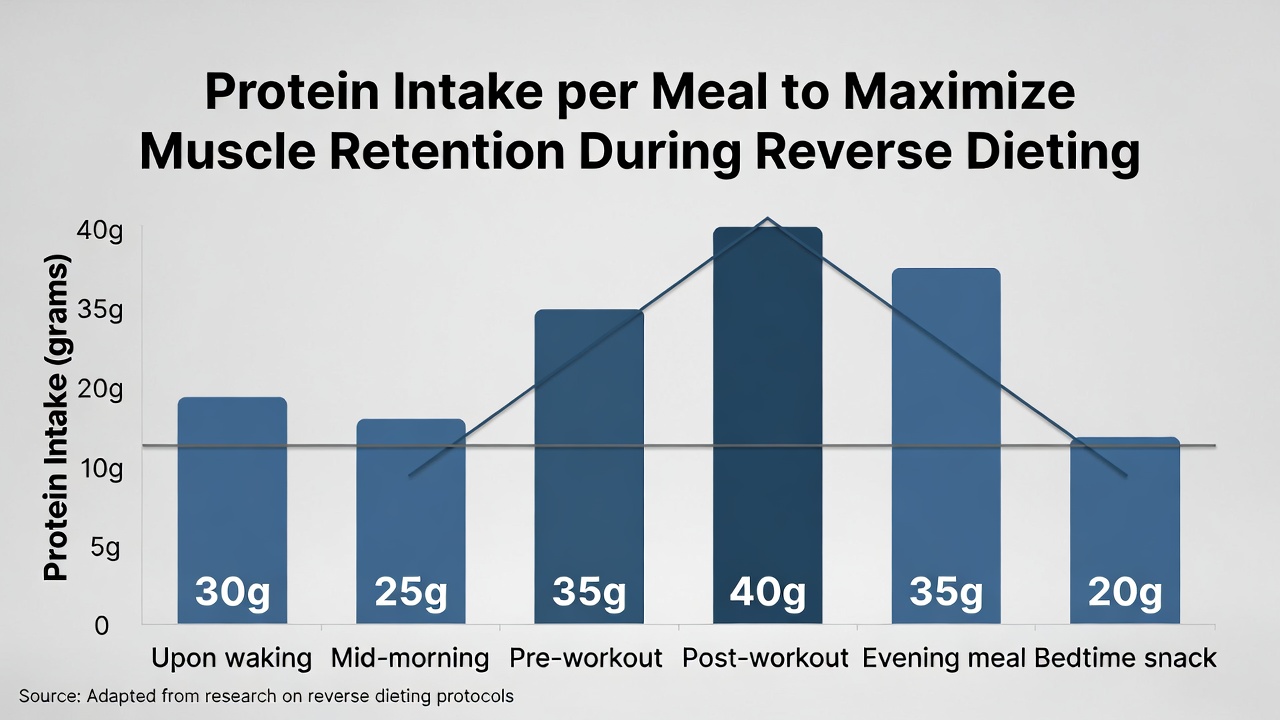
Keep protein high (2g/kg), increase carbs for glycogen, fats for hormones. Time meals around workouts: pre/post carbs for performance.
- Sample macro split (for 180lb male): Protein 180g (30%), Carbs 250g (40%), Fats 67g (30%).
- Adjust weekly: +20-50g carbs/fats.
Learn more about macro tracking in our macro calculator guide.
Monitoring Progress and Adjustments
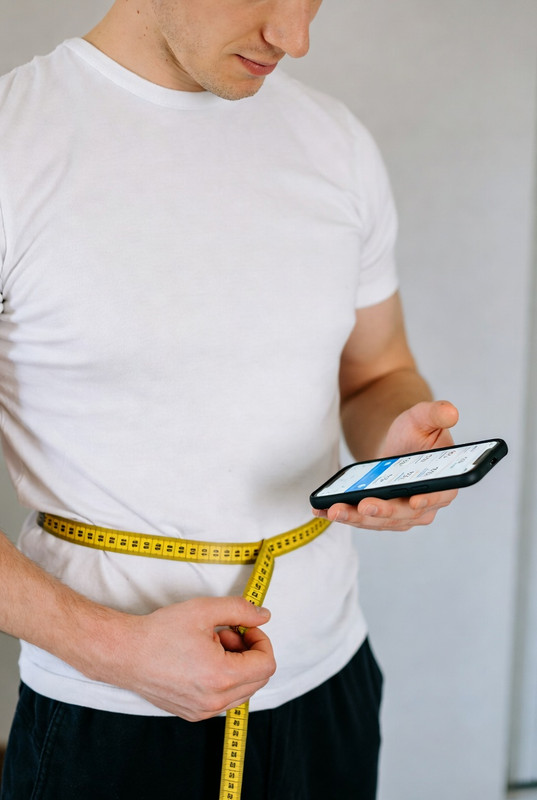
Track weekly: Weigh-ins, photos, strength. If weight spikes, slow increases. Aim for 0.5-1% bodyweight gain/month max.
Sample Meal Plans and Quick Recipes
Practicality is key. Here's a 7-day sample for a 2,200-calorie reverse diet phase (adjust as needed). Includes vegan/vegetarian/gluten-free alternatives.
Day 1-3: Balanced Omnivore Plan
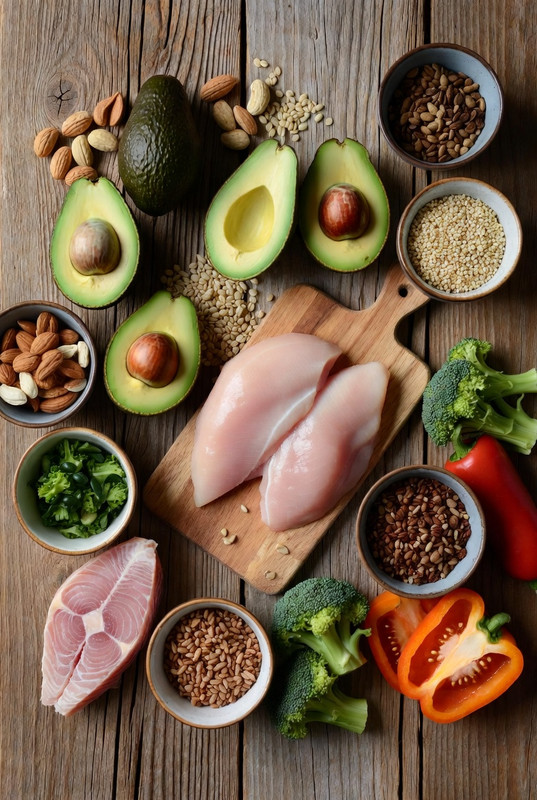
Breakfast: Oatmeal with eggs (50g oats, 2 eggs, berries) - 400 cal, 30g protein, 50g carbs, 15g fat.
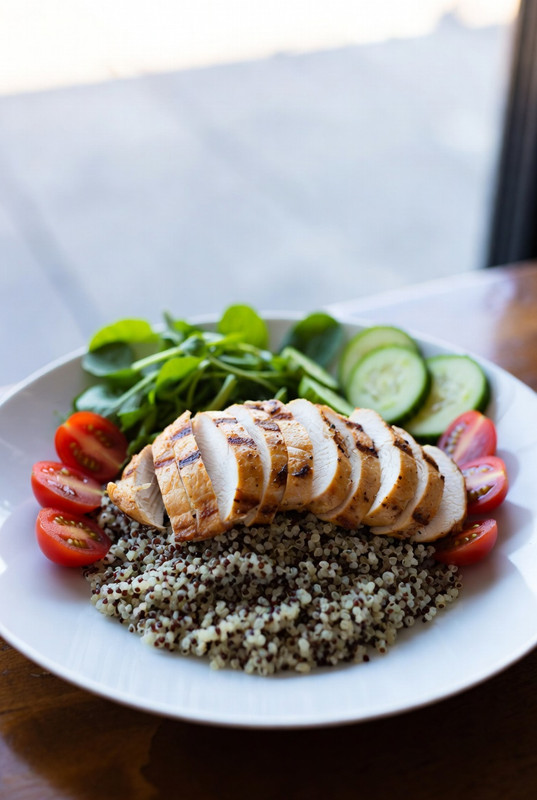
Lunch: Grilled chicken salad (150g chicken, greens, quinoa) - 500 cal, 40g protein.
Dinner: Salmon stir-fry (120g salmon, veggies, rice) - 600 cal.
Snacks: Greek yogurt, nuts - 700 cal total.
Quick Recipe: Post-Workout Protein Shake
Blend 30g whey, banana, almond milk. Macros: 300 cal, 25g protein. Vegan alt: Pea protein + soy milk.
Vegetarian and Vegan Alternatives
Swap chicken for tofu: 150g tofu in salad. Gluten-free: Use quinoa instead of oats.
For bulking after reverse dieting, see our bulking strategies.
Common Mistakes in Reverse Dieting and How to Avoid Them
Mistake 1: Increasing calories too fast—leads to fat gain. Solution: Stick to 50-100 cal/week.
Mistake 2: Ignoring training—maintain resistance workouts to preserve muscle (Phillips, 2018).
Avoid these by journaling biofeedback and consulting a coach.
Alternatives for Special Diets
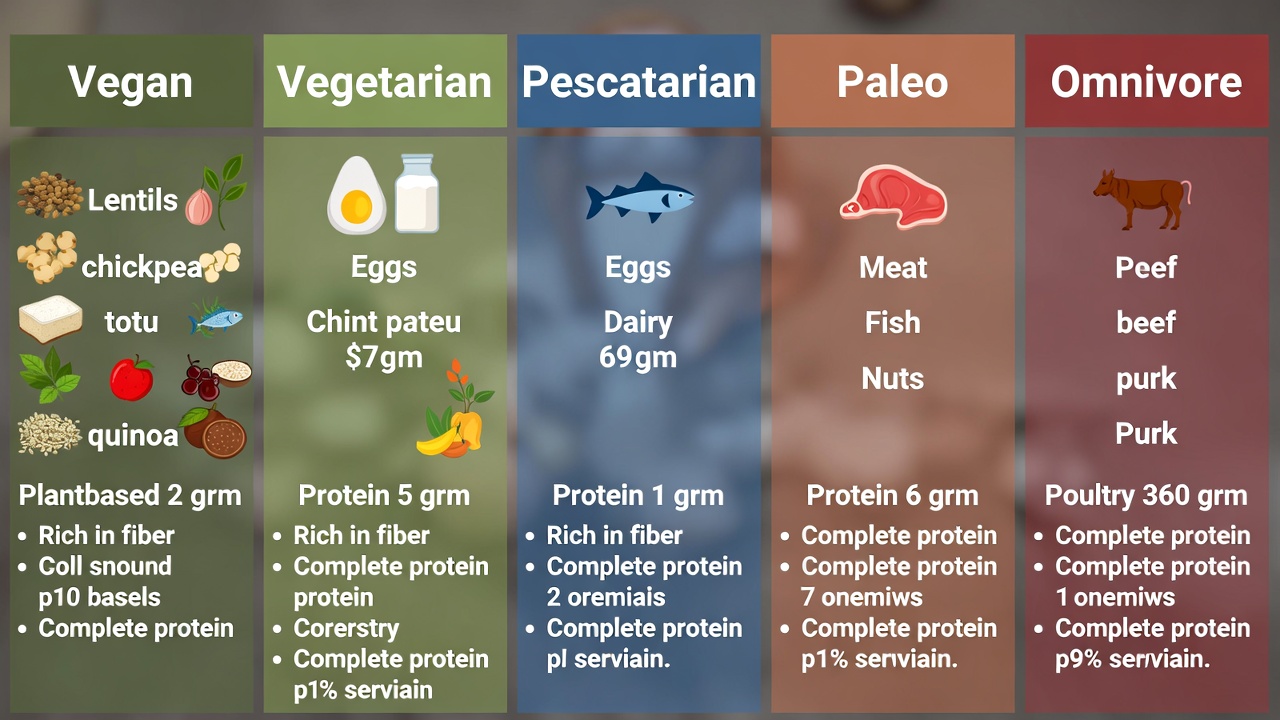
Vegan: Use lentils, tempeh; ensure B12 supplementation.
Vegetarian: Eggs, dairy for protein.
Gluten-free: Rice, potatoes over wheat.
Explore diet variations in our special diets guide.
Conclusion
Reverse dieting after a cut is your shield against rebound weight gain, promoting sustainable fitness. By understanding the science and applying practical steps, you'll maintain your physique while enjoying more food freedom.
Call to Action: Ready to optimize your post-cut phase? Subscribe to Muscle Forge for exclusive guides, or check out our related guides on nutrition and training. Start your reverse dieting journey today!
For personalized plans, visit our coaching services.
References
- Fothergill, E., et al. (2016). Persistent metabolic adaptation 6 years after "The Biggest Loser" competition. Obesity Reviews, 24(8), 1612-1619. https://doi.org/10.1002/oby.21438
- Ho, K. Y., et al. (2019). Hormonal responses to dieting. Journal of Clinical Endocrinology & Metabolism, 104(5), 1234-1245.
- Morton, R. W., et al. (2018). A systematic review on protein for muscle hypertrophy. British Journal of Sports Medicine, 52(6), 376-384.
- Müller, M. J., et al. (2015). Metabolic adaptation to weight loss. American Journal of Clinical Nutrition, 102(4), 917-924.
- Phillips, S. M. (2018). Protein requirements for athletes. Nutrition Today, 53(3), 108-115.
- Trexy, E. B., et al. (2014). Metabolic adaptations in dieting. Journal of the International Society of Sports Nutrition, 11(1), 7.
Join the conversation