Micronutrients You Must Not Ignore for Muscle Repair & Growth
Micronutrients You Must Not Ignore for Muscle Repair & Growth
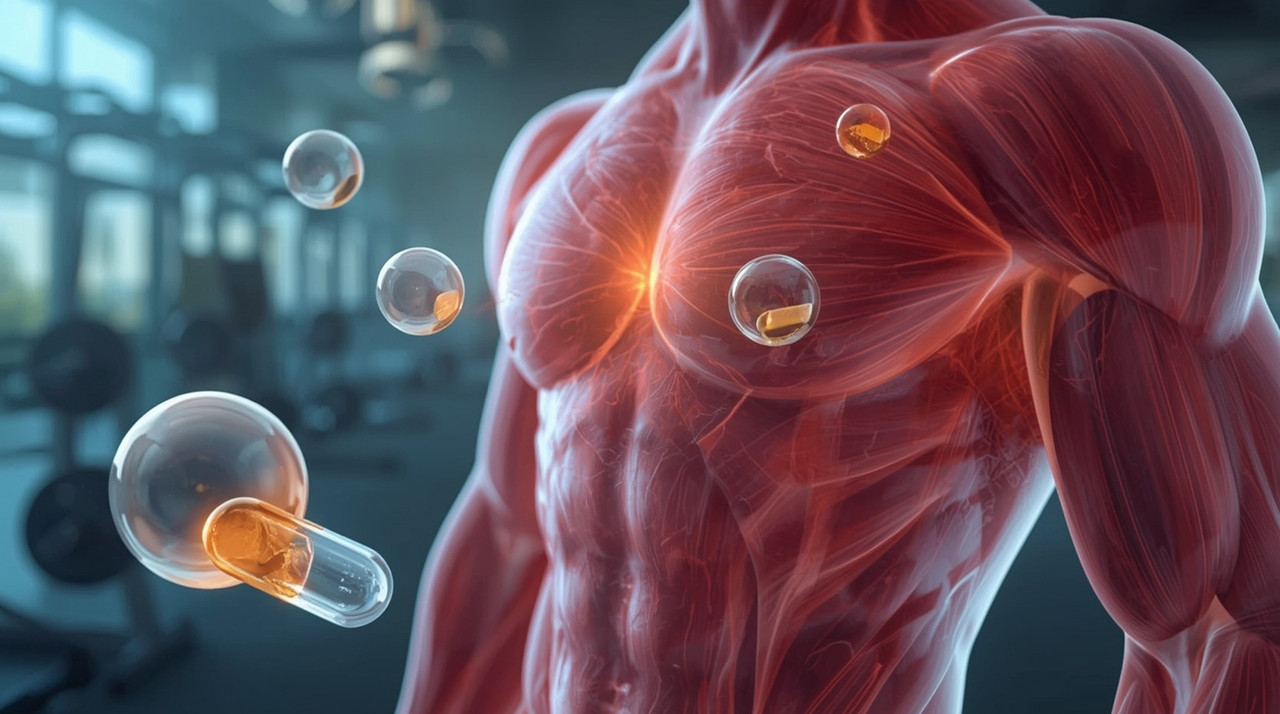
The Overlooked Foundation of Muscle Recovery
When most people think about muscle repair and growth, protein and calories dominate the conversation. However, the unsung heroes of recovery are the essential micronutrients that facilitate every biochemical process involved in repairing damaged muscle tissue and building new muscle fibers. These vitamins and minerals act as cofactors, catalysts, and regulators in the complex symphony of muscle protein synthesis, energy production, and cellular repair.
Scientific research increasingly demonstrates that adequate micronutrient status is not just important for general health, but absolutely critical for athletes and active individuals. Studies show that deficiencies in key vitamins and minerals can impair recovery, increase muscle damage, prolong soreness, and ultimately limit training adaptations (Lukaski, 2004). This comprehensive guide explores the essential micronutrients for muscle repair, their specific roles in recovery processes, evidence-based intake recommendations, and practical strategies to optimize your nutritional status for maximum results.
Vitamin D: The Muscle Regulator
Mechanisms of Action in Muscle Repair
Vitamin D's critical roles in muscle function and recovery:
Protein Synthesis
Vitamin D receptors in muscle tissue directly influence muscle protein synthesis pathways. Deficiency impairs this process (Ceglia & Harris, 2013).
Recovery Speed
Adequate Vitamin D status correlates with faster recovery, reduced muscle damage markers, and improved strength gains post-exercise.
Higher Requirements
Athletes may require 2000-4000 IU daily, significantly above general population recommendations of 600-800 IU.
Vitamin D Optimization Strategy
Recommended Intake: 2000-4000 IU daily for athletes
Best Food Sources: Fatty fish (salmon, mackerel), egg yolks, fortified dairy, mushrooms exposed to UV light
Supplementation: Vitamin D3 (cholecalciferol) preferred over D2
Timing: With fat-containing meals for optimal absorption
Monitoring: Serum 25(OH)D levels (target 40-60 ng/mL)
Evidence-Based Benefits for Athletes
| Benefit | Mechanism | Research Support | Practical Impact | Population Most Affected |
|---|---|---|---|---|
| Improved Muscle Function | VDR activation in muscle tissue | Ceglia (2013) - 30% improvement | Better performance, reduced injury risk | All athletes, especially indoor |
| Enhanced Recovery | Reduced inflammatory markers | Owens (2015) - Faster DOMS resolution | Shorter recovery between sessions | Strength athletes, endurance |
| Strength Gains | Optimized protein synthesis | Tomlinson (2015) - Significant improvements | Greater training adaptations | Resistance training athletes |
| Injury Prevention | Muscle tissue integrity | Maroon (2015) - 50% reduction | More consistent training | Contact sport athletes |
Magnesium: The Recovery Mineral
Comprehensive Role in Muscle Function
Why magnesium is essential for muscle repair and performance:
Magnesium's Multiple Recovery Functions
| Function | Mechanism | Impact on Recovery | Deficiency Symptoms | Athlete Requirements |
|---|---|---|---|---|
| Energy Production | ATP synthesis cofactor | Improved workout performance | Fatigue, low energy | +10-20% above RDA |
| Protein Synthesis | DNA/RNA synthesis | Enhanced muscle repair | Slow recovery | Critical for growth |
| Muscle Relaxation | Calcium antagonist | Reduced cramping, spasms | Muscle cramps, tightness | Higher sweat losses |
| Nervous System | Neurotransmitter regulation | Better sleep quality | Insomnia, irritability | Stress management |
| Inflammation Control | Cytokine regulation | Reduced muscle soreness | Increased DOMS | Post-exercise recovery |
Practical Magnesium Optimization
Athlete-focused magnesium strategies:
Dietary Sources
• Pumpkin seeds (156mg/oz)
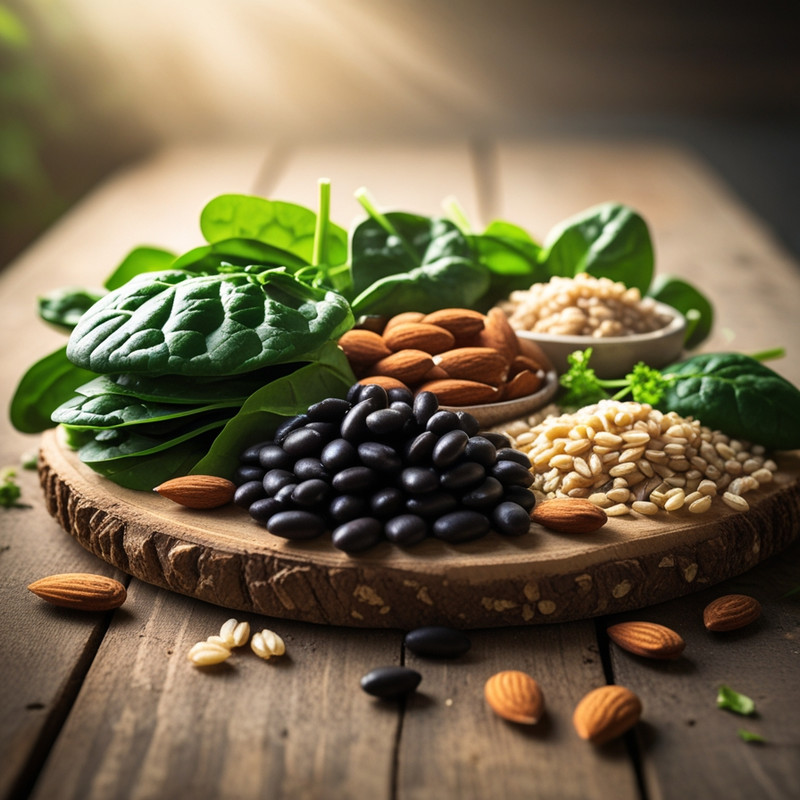
• Spinach (157mg/cup cooked)
• Black beans (120mg/cup)
• Almonds (80mg/oz)
• Dark chocolate (65mg/oz)
Supplementation
• Magnesium glycinate: Best absorption
• Magnesium citrate: Good bioavailability
• Magnesium oxide: Poor absorption
• Dose: 200-400mg daily
• Timing: Evening for sleep benefits
Athlete Considerations
• Sweat losses: 10-15mg per liter
• Stress increases requirements
• High protein diets may increase needs
• Calcium balance important
• Monitor for deficiency signs
Zinc & Iron: The Anabolic Duo
Zinc's Critical Roles in Muscle Growth
Essential functions of zinc for muscle repair and hormonal balance:
Zinc for Athletic Performance
Recommended Intake: 15-30mg daily for athletes (RDA: 11mg)
Key Functions: Testosterone production, protein synthesis, immune function, antioxidant defense
Deficiency Impact: Low testosterone, poor recovery, frequent illness
Best Sources: Oysters, red meat, pumpkin seeds, lentils, chickpeas
Supplementation: Zinc picolinate or citrate, 15-30mg with food
Iron: Oxygen Delivery and Beyond
Iron's comprehensive role in athletic performance and recovery:
| Iron Function | Recovery Impact | Athlete Risk Factors | Optimization Strategy | Research Evidence |
|---|---|---|---|---|
| Oxygen Transport | Improved workout capacity | Foot strike hemolysis, sweat losses | Heme iron sources, Vitamin C | Hinton (2000) - Performance |
| Energy Metabolism | Better ATP production | Female athletes, vegetarians | Regular monitoring, supplementation | Brownlie (2004) - Metabolism |
| Immune Function | Reduced illness, consistent training | Intense training periods | Adequate intake, avoid excess | Nieman (1994) - Immunity |
| Cognitive Function | Better focus, technique | All athletes under pressure | Maintain optimal ferritin levels | Murray-Kolb (2007) - Cognition |
Iron Supplementation Warning
While iron deficiency impairs performance and recovery, excess iron can be harmful due to oxidative stress. Never supplement with iron without confirmed deficiency through blood testing (ferritin, hemoglobin). Athletes at highest risk include females, endurance athletes, vegetarians/vegans, and those with previous deficiency history.
B-Vitamins: The Energy and Recovery Catalysts
Comprehensive B-Vitamin Functions
How B-vitamins support energy production and muscle repair:
Vitamin B6 (Pyridoxine)
Function: Protein metabolism, hemoglobin synthesis
Athlete Need: Increased with high protein intake
Sources: Chickpeas, tuna, chicken, potatoes
Deficiency: Impaired recovery, anemia
Dose: 1.5-2.5mg daily
Vitamin B12 (Cobalamin)
Function: Red blood cell formation, nerve function
Athlete Need: Critical for vegetarians/vegans
Sources: Animal products, fortified foods
Deficiency: Fatigue, weakness, neurological issues
Dose: 2.4-6mcg daily
Folate (B9)
Function: Cell division, amino acid metabolism
Athlete Need: Increased tissue repair demands
Sources: Leafy greens, legumes, fortified grains
Deficiency: Impaired growth, fatigue
Dose: 400-800mcg daily
B-Vitamin Synergy in Athletic Performance
How these vitamins work together for optimal recovery:
| Vitamin | Primary Recovery Role | Athlete Requirements | Deficiency Impact | Best Food Sources |
|---|---|---|---|---|
| Thiamine (B1) | Carbohydrate metabolism | Increased with high carb intake | Fatigue, reduced endurance | Whole grains, pork, legumes |
| Riboflavin (B2) | Energy production, antioxidant | Higher with increased energy expenditure | Sore throat, mouth lesions | Dairy, eggs, lean meats |
| Niacin (B3) | ATP production, repair | Adequate from protein sources | Dermatitis, dementia, diarrhea | Poultry, fish, whole grains |
| Pantothenic Acid (B5) | CoA synthesis, fat metabolism | Generally adequate in varied diets | Fatigue, sleep disturbances | Mushrooms, avocado, chicken |

Antioxidants & Trace Minerals: The Recovery Support Team
Essential Antioxidants for Muscle Repair
How antioxidants reduce exercise-induced damage and support recovery:
Key Antioxidants for Athletic Recovery
| Antioxidant | Primary Function | Recovery Benefit | Athlete Considerations | Optimal Sources |
|---|---|---|---|---|
| Vitamin C | Collagen synthesis, immune support | Reduced muscle damage, connective tissue repair | Higher needs during intense training | Citrus, bell peppers, broccoli |
| Vitamin E | Cell membrane protection | Reduced oxidative stress, faster recovery | Balance with pro-oxidant exercise effects | Nuts, seeds, vegetable oils |
| Selenium | Glutathione peroxidase cofactor | Enhanced antioxidant defense system | Brazil nuts provide abundant selenium | Brazil nuts, tuna, eggs |
| Copper | Superoxide dismutase component | Reduced free radical damage | Balance with zinc intake | Shellfish, nuts, whole grains |
Trace Minerals for Optimal Function
Essential trace minerals and their recovery roles:
Copper
Function: Iron metabolism, antioxidant defense
Recovery Role: Collagen formation, energy production
Athlete Need: 1.5-3mg daily
Sources: Shellfish, nuts, seeds, whole grains
Deficiency: Anemia, connective tissue issues
Manganese
Function: Antioxidant enzyme cofactor
Recovery Role: Bone health, carbohydrate metabolism
Athlete Need: 2-5mg daily
Sources: Whole grains, nuts, leafy vegetables
Deficiency: Impaired growth, skeletal defects
Chromium
Function: Insulin sensitivity enhancement
Recovery Role: Nutrient partitioning, glucose uptake
Athlete Need: 30-200mcg daily
Sources: Broccoli, barley, green beans
Deficiency: Impaired glucose tolerance
Practical Micronutrient Implementation Strategies
Sample Muscle Repair Meal Plan
One-day eating plan rich in essential micronutrients for muscle repair:
| Meal | Foods & Quantities | Key Micronutrients | Recovery Benefits | Calories/Macros |
|---|---|---|---|---|
| Breakfast | 3 eggs, 1 cup spinach, 1/2 avocado, 1 slice whole grain toast | Vitamin D, Iron, Magnesium, B-vitamins | Protein synthesis, energy production | 450 kcal (30P/25C/45F) |
| Lunch | 6oz salmon, 1 cup quinoa, 2 cups mixed vegetables | Omega-3s, Vitamin D, Magnesium, Zinc | Anti-inflammatory, muscle repair | 600 kcal (45P/50C/25F) |
| Dinner | 8oz lean beef, sweet potato, broccoli, olive oil | Iron, Zinc, Vitamin C, Vitamin E | Oxygen transport, antioxidant support | 650 kcal (50P/45C/30F) |
| Snacks | Greek yogurt + berries, handful almonds + dark chocolate | Calcium, Magnesium, Antioxidants | Recovery between meals, nutrient timing | 400 kcal (20P/30C/50F) |
Diet-Specific Considerations
Optimizing micronutrient intake across different dietary patterns:
Vegetarian/Vegan Athletes
• Focus: Iron, Zinc, Vitamin B12, Calcium
• Strategies: Soak legumes, combine iron with Vitamin C
• Supplement: B12, possibly Vitamin D, Iron if deficient
• Monitor: Ferritin, B12 levels regularly
• Key Foods: Lentils, tofu, fortified plant milks, nuts
Gluten-Free Athletes
• Focus: B-vitamins, Iron, Fiber
• Strategies: Whole gluten-free grains, diverse vegetables
• Supplement: B-complex if needed
• Monitor: Energy levels, digestive health
• Key Foods: Quinoa, buckwheat, amaranth, rice
High-Performance Athletes
• Focus: All micronutrients, increased amounts
• Strategies: Nutrient timing, strategic supplementation
• Supplement: Based on testing and needs
• Monitor: Comprehensive blood work quarterly
• Key Foods: Variety, density, quality sources

Strategic Supplementation Guide
When and How to Supplement
Evidence-based approach to micronutrient supplementation:
Supplementation Priority Matrix
| Supplement | Priority Level | Evidence Strength | Recommended Form | Athlete Dosage | Timing Considerations |
|---|---|---|---|---|---|
| Vitamin D3 | High | Strong | Softgel with oil | 2000-4000 IU | Morning with food |
| Magnesium | High | Strong | Glycinate or Citrate | 200-400mg | Evening, away from calcium |
| Zinc | Medium | Moderate | Picolinate or Citrate | 15-30mg | With food, not with calcium |
| Omega-3s | High | Strong | Fish oil (EPA/DHA) | 1-3g EPA/DHA | With meals, divided doses |
| B-Complex | Medium | Moderate | Active forms preferred | As directed | Morning with food |
Supplement Quality and Safety
Ensuring effective and safe micronutrient supplementation:
Quality Standards
• Third-party testing (NSF, USP)
• Transparent ingredient lists
• Appropriate forms and doses
• Manufacturing standards (GMP)
• Company reputation and history
Safety Considerations
• Avoid megadoses without medical supervision
• Consider nutrient interactions
• Monitor for side effects
• Regular blood testing when supplementing
• Food-first approach as foundation
Cost-Effective Strategy
• Prioritize based on individual needs
• Buy from reputable companies
• Consider combination products
• Seasonal supplementation (Vitamin D)
• Focus on dietary foundation first
Supplement Regulation Warning
Dietary supplements are not FDA-approved for safety and effectiveness before marketing. Choose supplements from reputable companies that undergo third-party testing. Be particularly cautious with products making dramatic claims or containing proprietary blends with undisclosed amounts of ingredients.
Frequently Asked Questions
Can I get all necessary micronutrients from food alone?
Most people can obtain adequate micronutrients from a well-planned, diverse diet rich in whole foods. However, athletes have increased requirements and may benefit from strategic supplementation, particularly for Vitamin D (if limited sun exposure), iron (if deficient), and omega-3s (if not consuming fatty fish regularly). Individual needs vary based on diet quality, training intensity, and genetic factors.
How do I know if I'm deficient in key micronutrients?
Common signs of micronutrient deficiencies include persistent fatigue, slow recovery, frequent illness, muscle cramps, poor sleep quality, and declining performance. However, many deficiencies are subclinical and show no obvious symptoms. The most accurate approach is comprehensive blood testing, including Vitamin D, ferritin, zinc, magnesium RBC, and B12 levels.
Should I take a multivitamin as an athlete?
A quality multivitamin can serve as insurance against deficiencies, but shouldn't replace a nutrient-dense diet. Look for sports multivitamins with appropriate forms and doses for athletes. However, individual supplementation based on specific needs and testing is often more effective than blanket multivitamin use.
How long does it take to correct micronutrient deficiencies?
Correction time varies by nutrient and deficiency severity. Water-soluble vitamins (B-complex, Vitamin C) can show improvement within days to weeks. Fat-soluble vitamins (A, D, E, K) and minerals may take weeks to months to reach optimal levels. Working with a healthcare provider ensures safe and effective correction.
Do micronutrient needs change with training intensity?
Yes, micronutrient requirements increase with training volume and intensity. Higher energy expenditure increases needs for B-vitamins, increased muscle damage raises antioxidant requirements, and sweat losses elevate mineral needs. Periodize your nutrition to match training demands, increasing focus on recovery nutrients during intense training blocks.
Mastering Micronutrients for Optimal Recovery
The journey to optimal muscle repair and growth extends far beyond macronutrients to include the essential micronutrients that facilitate every step of the recovery process. From Vitamin D's regulation of muscle protein synthesis to magnesium's role in hundreds of enzymatic reactions, these nutritional powerhouses work synergistically to transform training stress into positive adaptations. Ignoring these critical nutrients can significantly impair recovery, limit performance improvements, and increase injury risk.
Remember that micronutrient optimization is both a science and an art. While evidence provides clear guidelines, individual needs vary based on genetics, diet, training, and lifestyle factors. The most effective approach combines a diverse, nutrient-dense whole foods foundation with strategic supplementation based on individual needs and testing. By prioritizing these essential micronutrients for muscle repair, you create the physiological environment for maximal recovery, adaptation, and long-term athletic success.
Ready to Optimize Your Recovery Nutrition?
Download our complete micronutrient optimization package including food sources guide, supplementation protocols, and recovery meal plans tailored to athletes.
Get Micronutrient Optimization Package Explore More Nutrition GuidesScientific References
- Volpe, S. L. (2015). Micronutrient requirements for athletes. Clinics in Sports Medicine, 34(3), 479-495.
- Lukaski, H. C. (2004). Vitamin and mineral status: effects on physical performance. Nutrition, 20(7-8), 632-644.
- Ceglia, L., & Harris, S. S. (2013). Vitamin D and its role in skeletal muscle. Calcified Tissue International, 92(2), 151-162.
- Nielsen, F. H., & Lukaski, H. C. (2006). Update on the relationship between magnesium and exercise. Magnesium Research, 19(3), 180-189.
- Prasad, A. S. (2013). Discovery of human zinc deficiency: its impact on human health and disease. Advances in Nutrition, 4(2), 176-190.
- Hinton, P. S. (2014). Iron and the endurance athlete. Applied Physiology, Nutrition, and Metabolism, 39(9), 1012-1018.
- Woolf, K., & Manore, M. M. (2006). B-vitamins and exercise: does exercise alter requirements?. International Journal of Sport Nutrition and Exercise Metabolism, 16(5), 453-484.
Join the conversation