The 15 Best Foods for Building Muscle and Strength
The 15 Best Foods for Building Muscle and Strength
Science-Backed Nutritional Powerhouses to Maximize Your Gains and Transform Your Physique
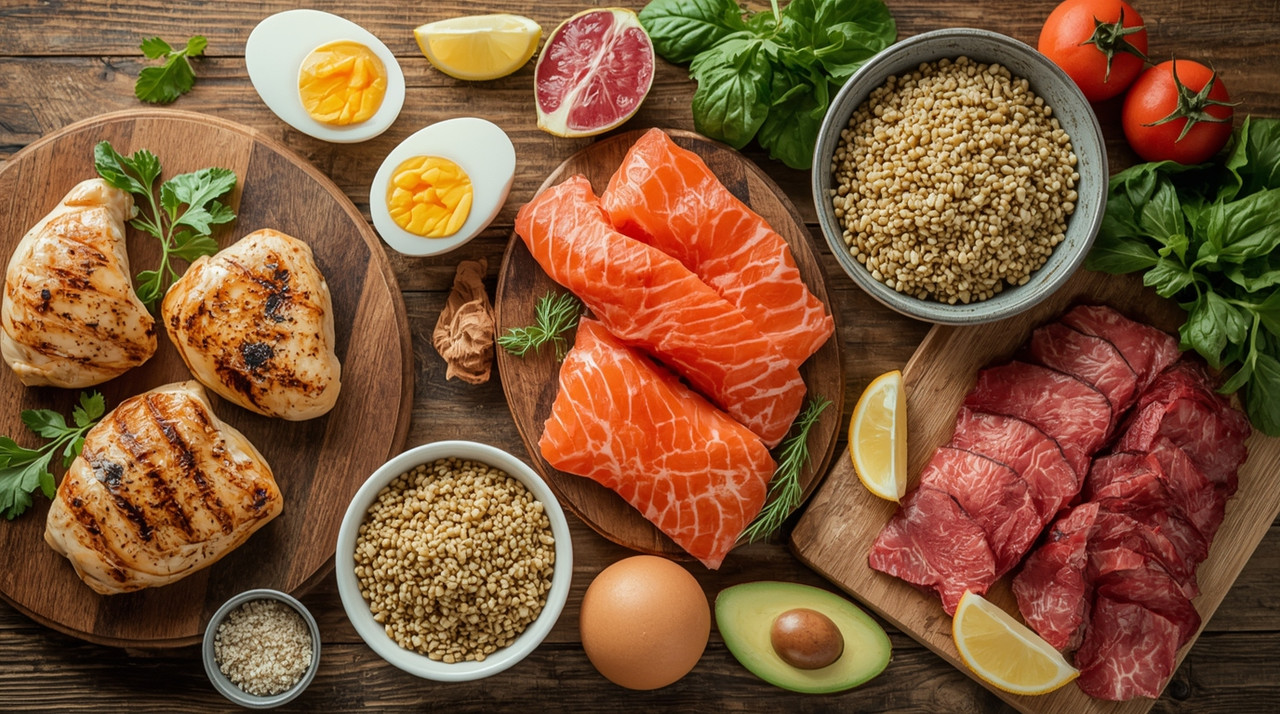
Proper nutrition is the foundation of muscle growth and strength development
You're hitting the gym consistently, pushing through challenging workouts, and dedicating yourself to strength training. But if your nutrition isn't supporting your efforts, you're leaving gains on the table. The truth is, no matter how perfect your training program might be, without the right nutritional foundation, you'll never unlock your full muscle-building potential.
Many fitness enthusiasts make the critical mistake of focusing solely on their training while neglecting the nutritional building blocks required for substantial muscle growth. Research shows that proper nutrition can account for up to 80% of your muscle-building results, making it arguably more important than your actual workout routine.
This comprehensive guide will walk you through the 15 best science-backed foods for building muscle and strength. We'll dive into the nutritional profiles of each food, explain exactly how they support muscle growth, and provide practical tips on how to incorporate them into your diet for maximum results.
The Science Behind Food and Muscle Growth
Before we explore the specific foods, it's essential to understand how nutrition supports muscle growth. Muscle hypertrophy (the scientific term for muscle growth) occurs when the rate of muscle protein synthesis exceeds the rate of muscle protein breakdown. This positive protein balance is primarily driven by two factors:
- Resistance Training: Creates microscopic damage to muscle fibers, signaling your body to repair and strengthen them.
- Proper Nutrition: Provides the essential building blocks (amino acids from protein) and energy required for the repair and growth process.
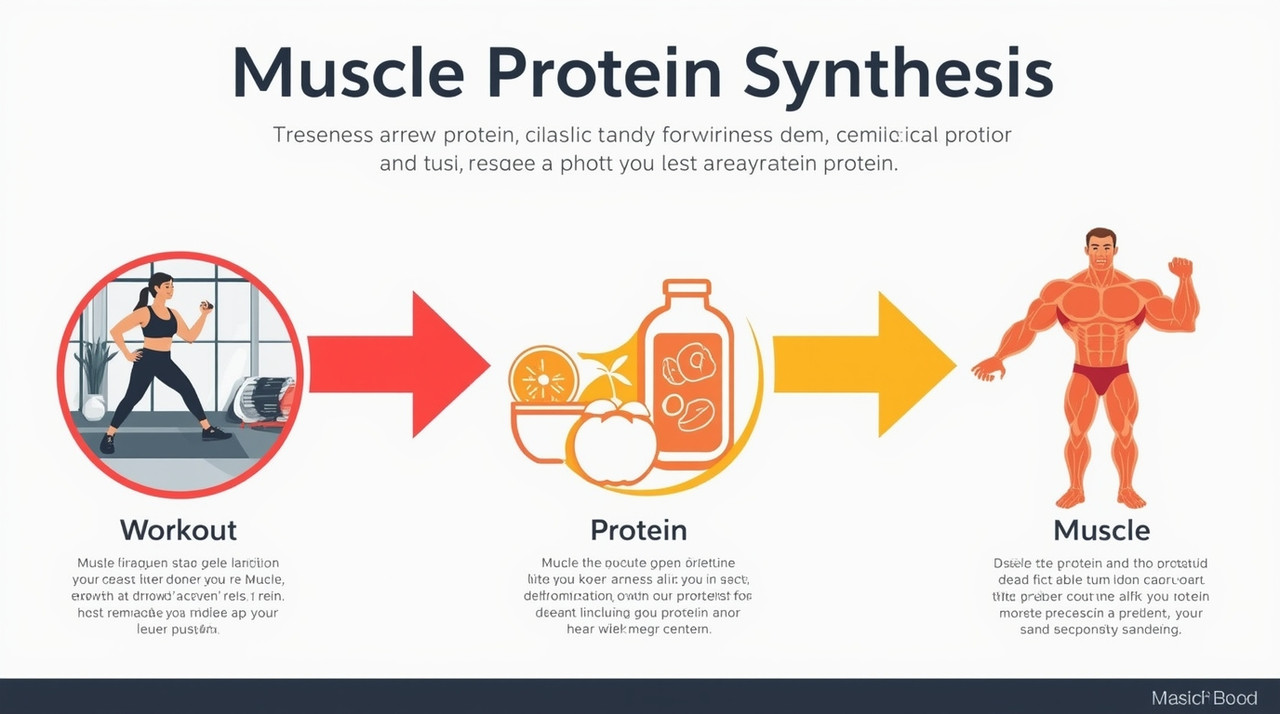
The process of muscle protein synthesis requires both training stimulus and nutritional support
According to research published in the Journal of the International Society of Sports Nutrition, resistance training combined with proper protein intake represents the most effective strategy for increasing muscle mass and strength. The quality, timing, and distribution of protein intake throughout the day significantly impact muscle protein synthesis rates.
The 15 Best Muscle-Building Foods
Based on scientific evidence and nutritional density, these 15 foods represent the most effective options for supporting muscle growth and strength development.
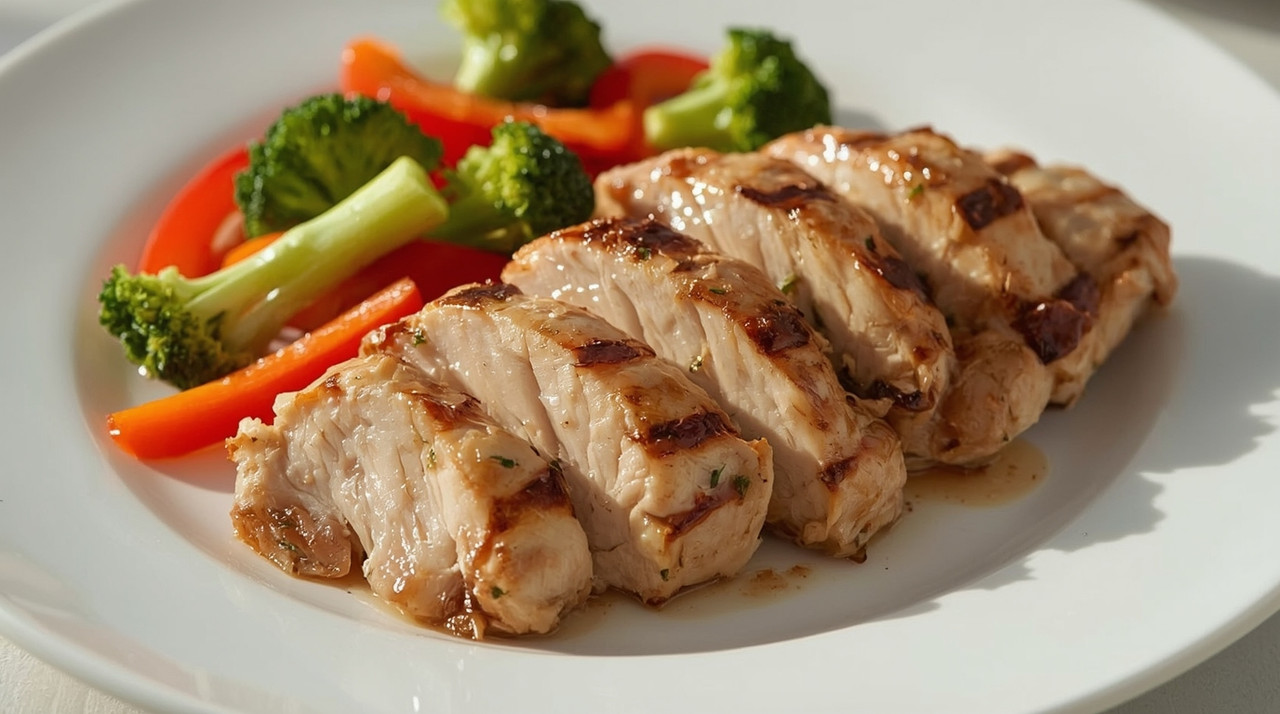
1. Chicken Breast
Chicken breast is a bodybuilding staple for good reason. It's an excellent source of high-quality protein with minimal fat, making it ideal for muscle growth while maintaining leanness.
Nutrition Profile (per 100g):
31g protein, 3.6g fat, 0g carbs, 165 calories
Why it builds muscle: Chicken breast is rich in complete protein containing all essential amino acids, particularly high in leucine which plays a crucial role in stimulating muscle protein synthesis.
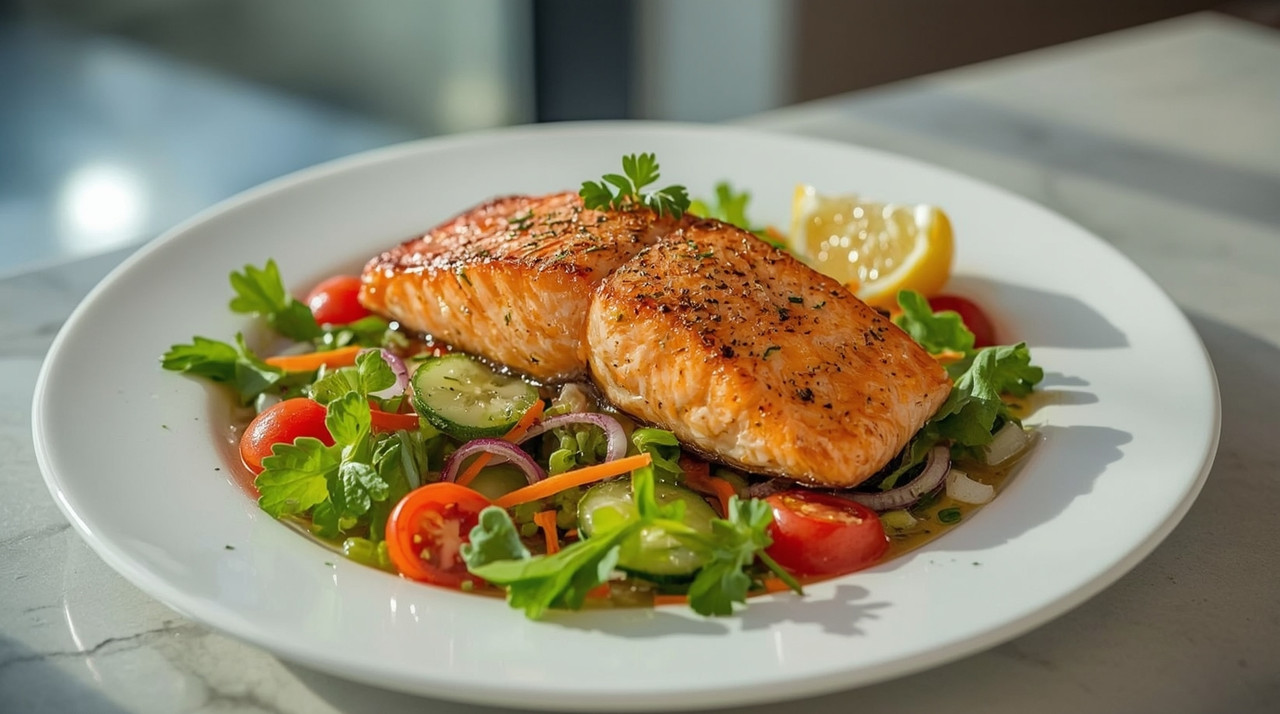
2. Salmon
Salmon is nutritional powerhouse that provides high-quality protein along with anti-inflammatory omega-3 fatty acids, making it exceptional for muscle recovery and growth.
Nutrition Profile (per 100g):
25g protein, 13g fat (rich in omega-3s), 0g carbs, 208 calories
Why it builds muscle: The omega-3 fatty acids in salmon have been shown to enhance muscle protein synthesis and may increase muscle sensitivity to protein and exercise.

3. Eggs
Eggs are one of nature's most perfect protein sources, containing all essential amino acids in ideal ratios for human nutrition and muscle protein synthesis.
Nutrition Profile (per large egg):
6g protein, 5g fat, 0.6g carbs, 78 calories
Why it builds muscle: Eggs are rich in leucine, the most important amino acid for triggering muscle protein synthesis. The yolk contains important nutrients like choline that support muscle function.
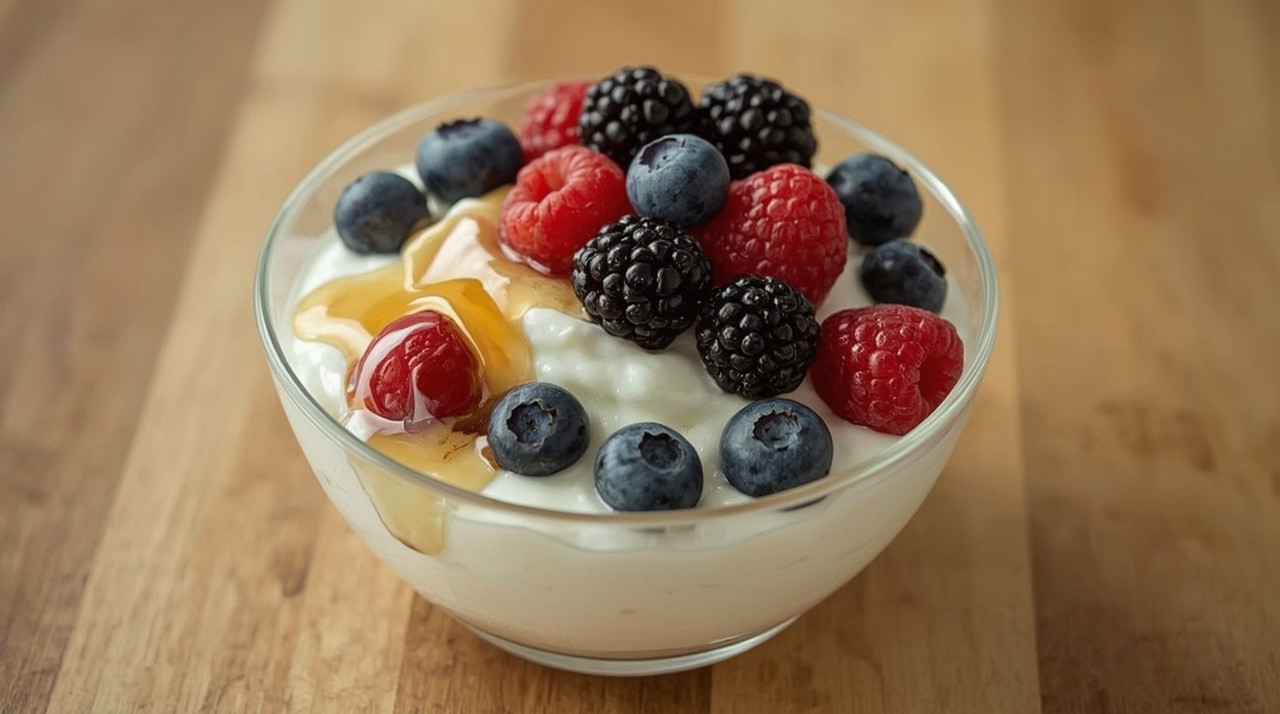
4. Greek Yogurt
Greek yogurt provides an excellent combination of fast-digesting whey protein and slow-digesting casein protein, making it ideal for sustained muscle protein synthesis.
Nutrition Profile (per 170g container):
17g protein, 5g fat, 6g carbs, 130 calories
Why it builds muscle: The combination of whey and casein proteins provides both rapid and sustained amino acid delivery to muscles, supporting recovery and growth throughout the day.
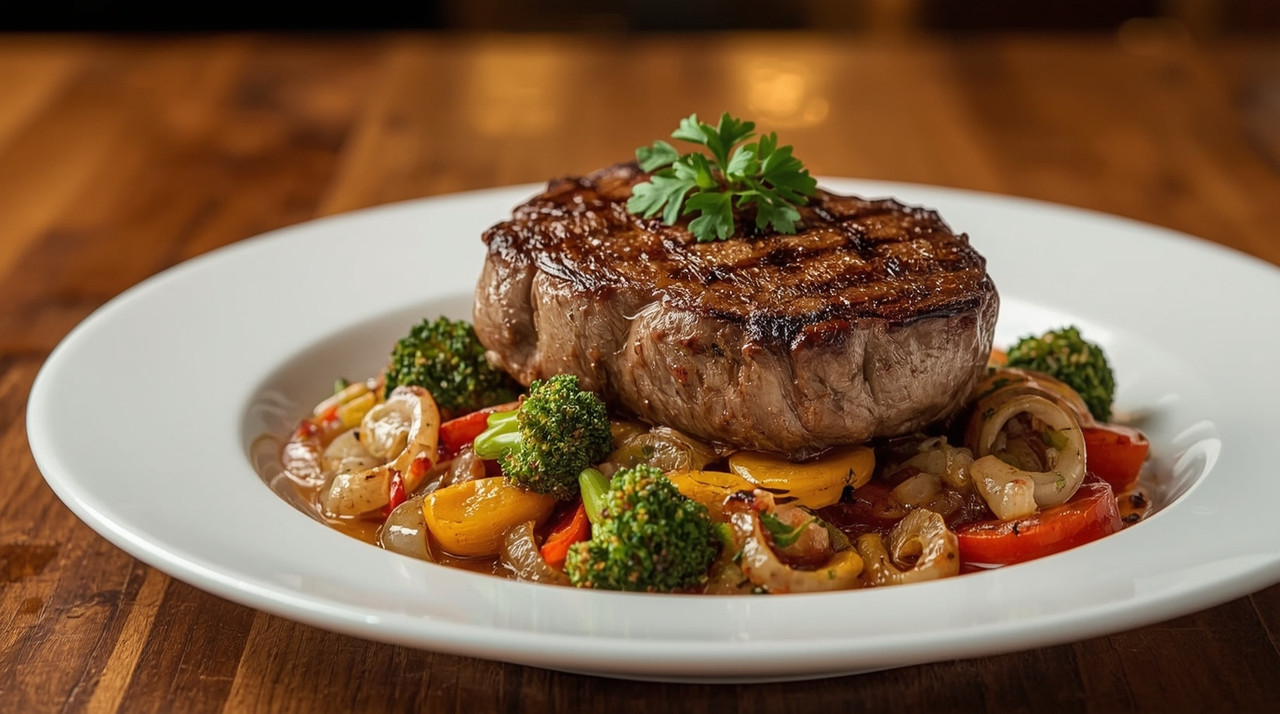
5. Lean Beef
Lean beef is not only an excellent source of high-quality protein but also provides creatine, iron, and zinc—all important nutrients for strength and muscle development.
Nutrition Profile (per 100g):
26g protein, 8g fat, 0g carbs, 170 calories
Why it builds muscle: Beef contains naturally occurring creatine which can enhance strength and power output during workouts, allowing for more effective training stimulus.
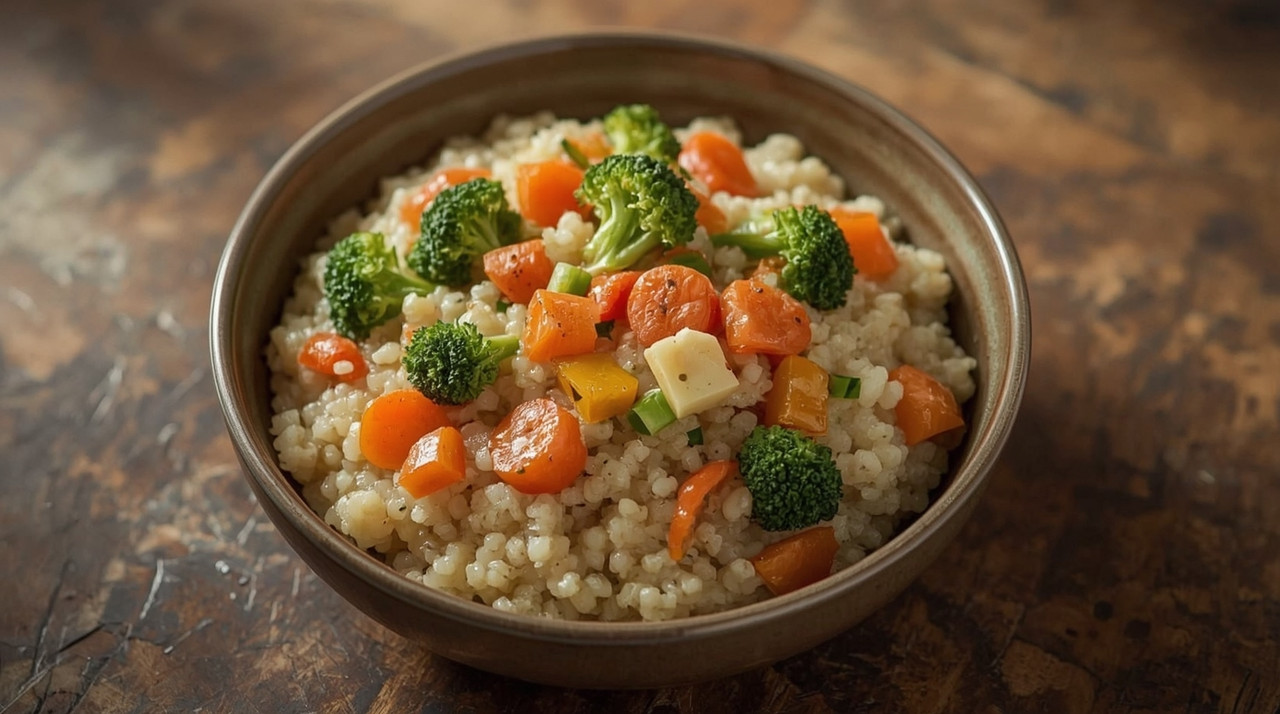
6. Quinoa
Quinoa is one of the few plant foods that provides all nine essential amino acids, making it a complete protein source ideal for vegetarians and vegans.
Nutrition Profile (per cup cooked):
8g protein, 4g fat, 39g carbs, 222 calories
Why it builds muscle: As a complex carbohydrate with complete protein, quinoa provides sustained energy for workouts while supplying the amino acids necessary for muscle repair.
7. Cottage Cheese
Cottage cheese is rich in casein protein, which digests slowly and provides a steady release of amino acids—making it ideal for overnight muscle recovery.
Nutrition Profile (per cup):
28g protein, 5g fat, 6g carbs, 160 calories
Why it builds muscle: The slow-digesting casein protein in cottage cheese helps prevent muscle breakdown during periods of fasting, such as overnight while you sleep.
8. Whey Protein
Whey protein is a fast-digesting, high-quality protein source that's particularly effective when consumed around workouts for rapid muscle recovery.
Nutrition Profile (per scoop):
24g protein, 1g fat, 3g carbs, 120 calories
Why it builds muscle: Whey protein is rich in branched-chain amino acids (BCAAs) and has one of the highest biological values of any protein source, meaning it's efficiently used for muscle protein synthesis.
9. Sweet Potatoes
Sweet potatoes are an excellent source of complex carbohydrates that provide sustained energy for intense workouts and aid in recovery afterward.
Nutrition Profile (per medium potato):
4g protein, 0.2g fat, 37g carbs, 150 calories
Why it builds muscle: The complex carbohydrates in sweet potatoes replenish glycogen stores, while the high vitamin content supports overall health and recovery processes.
10. Broccoli
Broccoli is packed with vitamins, minerals, and antioxidants that support overall health, reduce inflammation, and aid in recovery from intense training.
Nutrition Profile (per cup):
2.6g protein, 0.3g fat, 6g carbs, 30 calories
Why it builds muscle: Beyond its micronutrient content, broccoli contains compounds that may help manage estrogen levels and support testosterone production, creating a better hormonal environment for muscle growth.
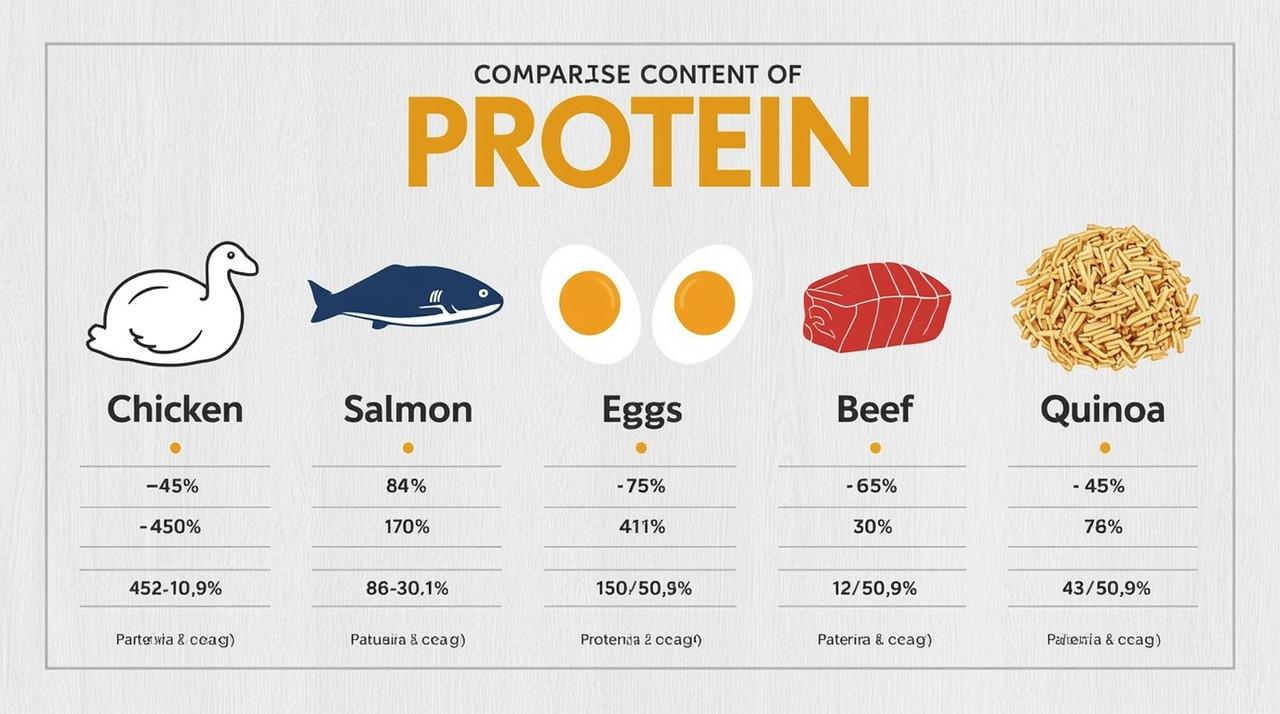
Comparison of protein content in various muscle-building foods
How to Incorporate These Foods Into Your Diet
Knowing which foods to eat is only half the battle—implementing them strategically into your diet is what will ultimately drive results. Here's how to maximize the muscle-building potential of these foods:
Meal Timing Strategies
Research suggests that distributing your protein intake across 3-6 meals throughout the day results in greater muscle protein synthesis compared to fewer large meals. Aim to include a source of high-quality protein in each meal.
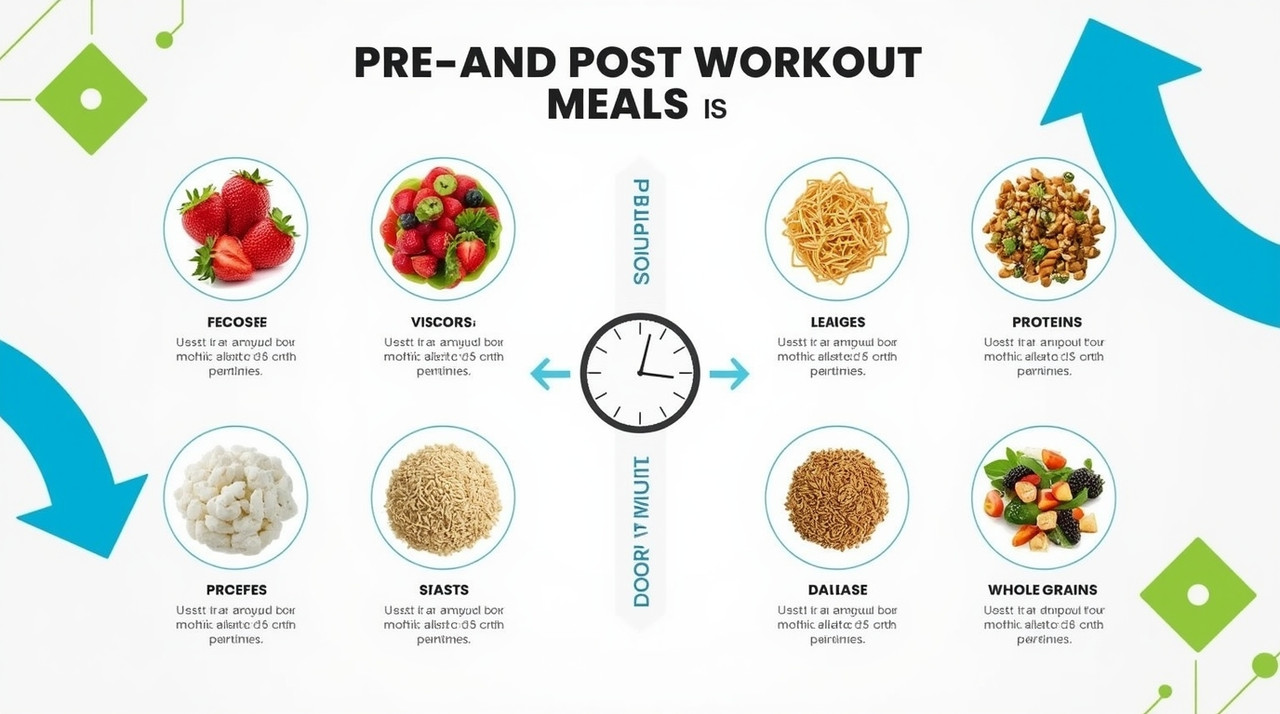
Pre- and Post-Workout Nutrition
Consuming protein and carbohydrates before and after your workouts can enhance performance and recovery. Aim for a meal containing both macronutrients 1-2 hours before training and within 1-2 hours after training.
Optimal meal timing strategies for muscle growth
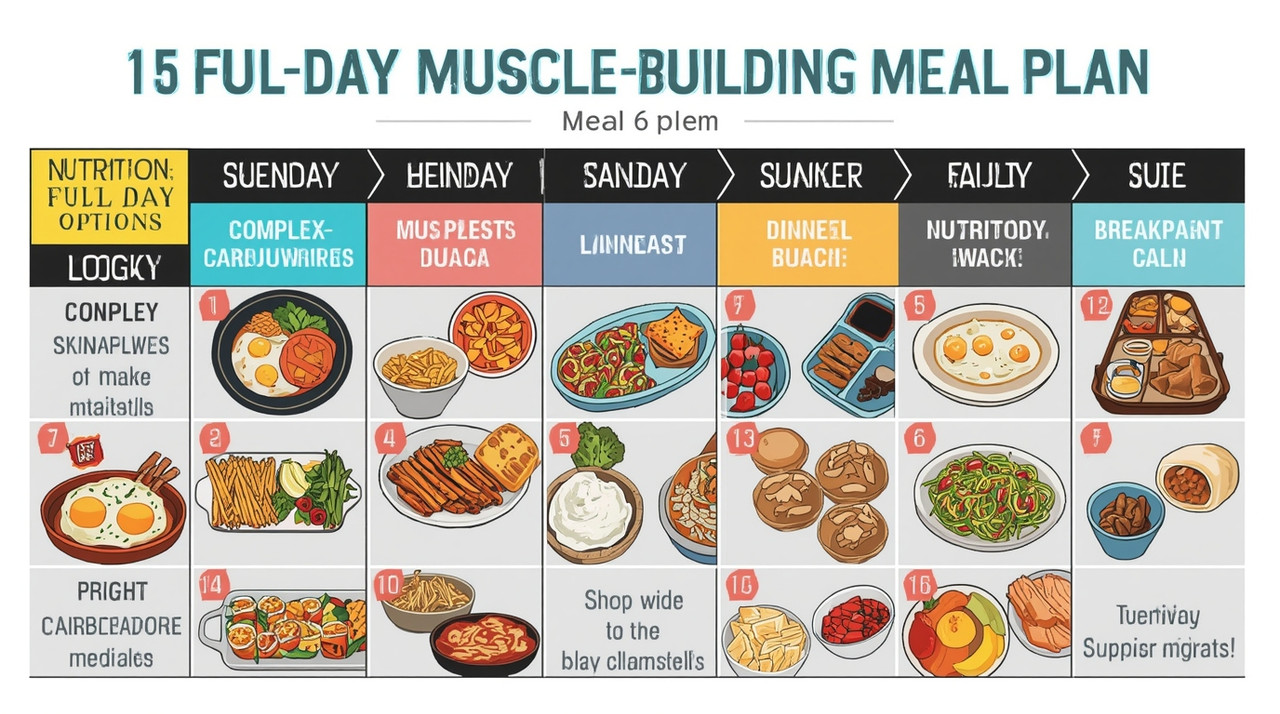
Sample Muscle-Building Meal Plan
Here's a practical sample meal plan incorporating many of the foods from our list, designed for a 180 lb (82 kg) individual aiming to build muscle:
Daily Meal Plan Example
Breakfast: 3 eggs scrambled with spinach, 2 slices whole grain toast, 1 cup Greek yogurt
Lunch: 6 oz grilled chicken breast, 1 cup quinoa, 2 cups mixed vegetables
Snack: Protein shake with whey protein and banana
Dinner: 8 oz salmon, 1 large sweet potato, asparagus
Evening Snack: Cottage cheese with berries
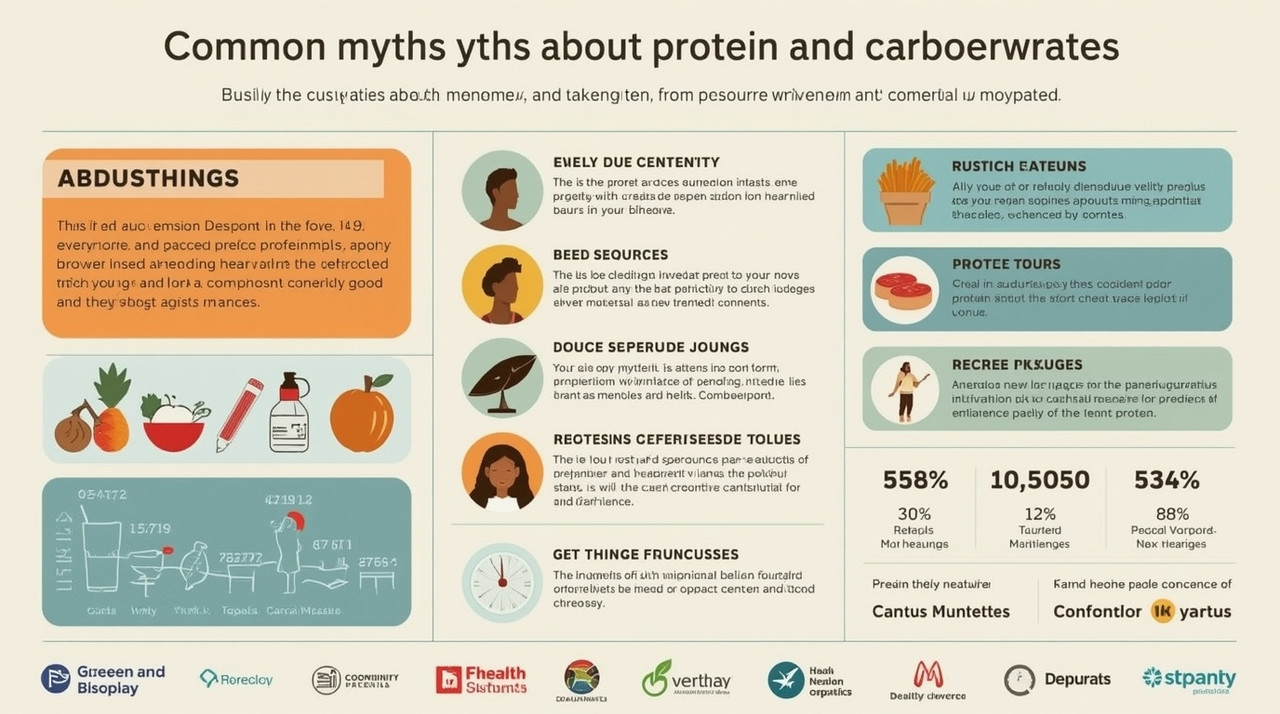
Common Myths About Muscle-Building Foods
There are several persistent myths about nutrition for muscle growth that can hinder your progress. Let's debunk some of the most common ones:
Myth 1: You Need Massive Amounts of Protein
While protein is crucial, more isn't always better. Research indicates that 1.6-2.2g of protein per kg of bodyweight is sufficient for maximizing muscle growth. Excessive protein intake doesn't provide additional benefits and may displace other important nutrients.
Myth 2: Carbohydrates Make You Fat
Carbohydrates are essential for fueling intense workouts and replenishing glycogen stores. When properly timed and consumed in appropriate amounts, carbohydrates support muscle growth without promoting fat gain.
Common myths about nutrition for muscle growth
Special Considerations for Different Diets
Whether you follow a specific dietary pattern or have restrictions, you can still build muscle effectively with the right food choices:
Vegetarian and Vegan Options
Plant-based athletes can build muscle effectively by combining complementary protein sources and paying attention to key nutrients like iron, zinc, and vitamin B12. Excellent plant-based muscle-building foods include:
- Tofu and tempeh
- Lentils and chickpeas
- Hemp seeds and chia seeds
- Plant-based protein powders
Food Intolerances and Allergies
If you have dietary restrictions, focus on finding alternative sources of the nutrients you need. For example, if you're lactose intolerant, you might choose lactose-free protein sources like lean meats, fish, eggs, and plant-based proteins.
Key Takeaways and Final Recommendations
Building muscle effectively requires strategic nutrition that supports your training efforts. Here are the most important principles to remember:
- Prioritize Protein: Aim for 1.6-2.2g of protein per kg of bodyweight daily from high-quality sources.
- Don't Fear Carbs: Carbohydrates fuel your workouts and support recovery when consumed strategically.
- Include Healthy Fats: Fats support hormone production and overall health, both crucial for muscle growth.
- Time Your Nutrients: Distribute protein across multiple meals and pay attention to pre- and post-workout nutrition.
- Focus on Whole Foods: Build your diet around nutrient-dense whole foods rather than relying solely on supplements.
- Stay Consistent: Results come from consistent application of these principles over time, not perfection in a single day.
Remember that building muscle is a gradual process that requires patience and consistency. Use these food recommendations as a foundation, track your progress, and make adjustments based on your individual response.
Conclusion
The journey to building muscle and strength is as much about what happens in the kitchen as what happens in the gym. By incorporating these 15 science-backed foods into your diet, you'll provide your body with the essential nutrients it needs to repair, recover, and grow stronger after each workout.
Focus on building meals around high-quality protein sources, complement them with complex carbohydrates for energy and healthy fats for hormone production, and time your nutrient intake strategically around your workouts. Remember that consistency is key—the best nutrition plan is one you can sustain long-term.
Pair this nutritional approach with a well-designed resistance training program, prioritize recovery through adequate sleep and stress management, and you'll create the ideal environment for maximizing your muscle-building potential and transforming your physique.
Join the conversation