The Ultimate Muscle-Building Diet Plan for Beginners
The Ultimate Muscle-Building Diet Plan for Beginners
A Science-Backed Nutritional Guide to Maximize Your Gains and Transform Your Physique

Proper nutrition combined with training is the foundation of muscle growth
You've made the decision to transform your body, committed to regular workouts, and now you're ready to build real muscle. But despite your efforts in the gym, you might be noticing that your results aren't quite what you expected. The missing piece to your transformation puzzle likely isn't your workout routine—it's your diet.
Many beginners make the critical mistake of focusing solely on their training while neglecting the nutritional foundation required for substantial muscle growth. The truth is, no matter how perfect your workout program might be, without the proper dietary approach, you'll never unlock your full muscle-building potential.
This comprehensive guide will walk you through everything you need to know about designing the ultimate muscle-building diet plan specifically tailored for beginners. We'll dive into the science of nutrition, caloric requirements, macronutrient ratios, meal timing, supplementation, and provide you with a practical plan you can start implementing today.
The Science of Muscle Growth: Nutrition's Crucial Role
Before we dive into specific dietary recommendations, it's essential to understand how muscle growth actually occurs. Muscle hypertrophy (the scientific term for muscle growth) happens when the rate of muscle protein synthesis exceeds the rate of muscle protein breakdown. This positive protein balance is primarily driven by two factors:
- Resistance Training: Creates microscopic damage to muscle fibers, signaling your body to repair and strengthen them.
- Proper Nutrition: Provides the essential building blocks (amino acids from protein) and energy required for the repair and growth process.
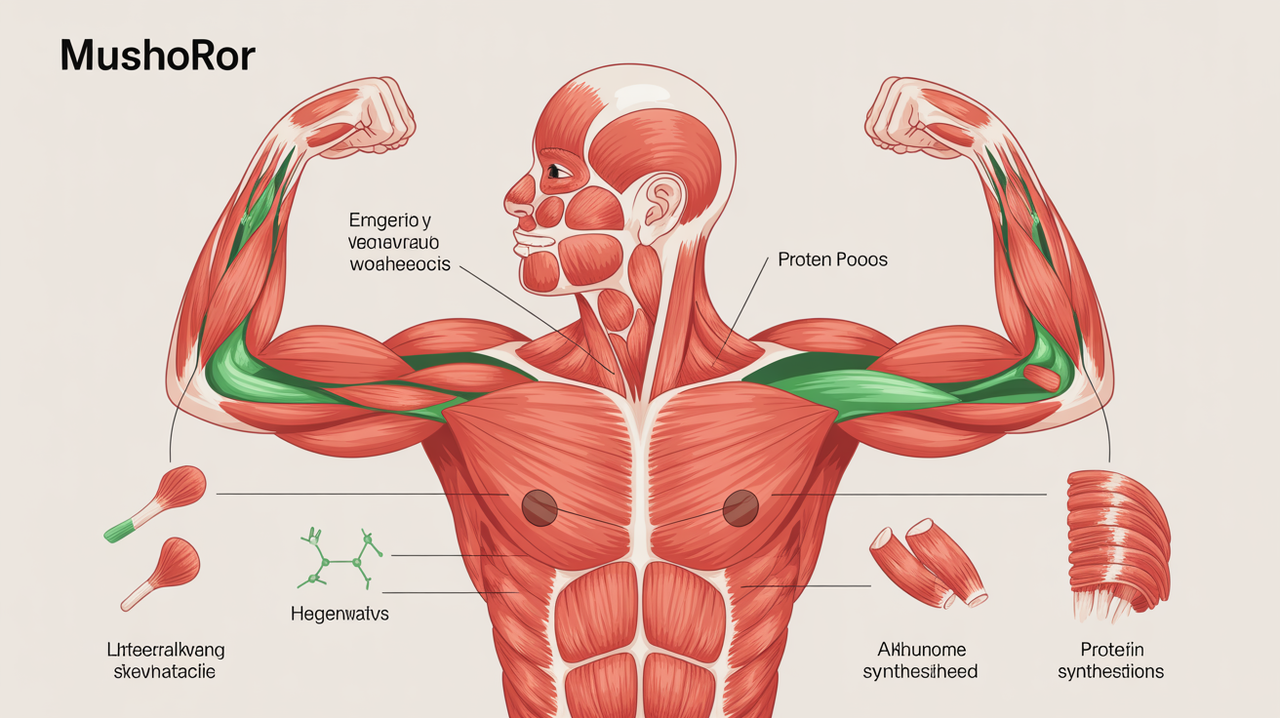
The process of muscle protein synthesis requires both training stimulus and nutritional support
According to research published in the Journal of the International Society of Sports Nutrition, resistance training combined with proper protein intake represents the most effective strategy for increasing muscle mass and strength. Without adequate nutrition, your body simply doesn't have the resources to build new muscle tissue, no matter how hard you train.
Calculating Your Caloric Needs for Muscle Growth
To build muscle effectively, you need to be in a slight caloric surplus—consuming more calories than your body burns. This provides the extra energy required for muscle protein synthesis and recovery. However, the surplus needs to be controlled to minimize fat gain.
Step 1: Determine Your Maintenance Calories
Your maintenance calories represent the number of calories your body needs to maintain its current weight. The most accurate way to determine this is to use the Mifflin-St Jeor equation, which has been validated in numerous studies as one of the most reliable methods for estimating metabolic rate.
Calorie Needs Calculator
Enter your information to calculate your daily calorie needs:
Step 2: Establish Your Caloric Surplus
For optimal muscle growth with minimal fat gain, research suggests a moderate caloric surplus of 250-500 calories per day above your maintenance level. This typically results in a weight gain of approximately 0.25-0.5 kg (0.5-1 lb) per week, which represents an optimal rate of muscle growth for natural trainees.
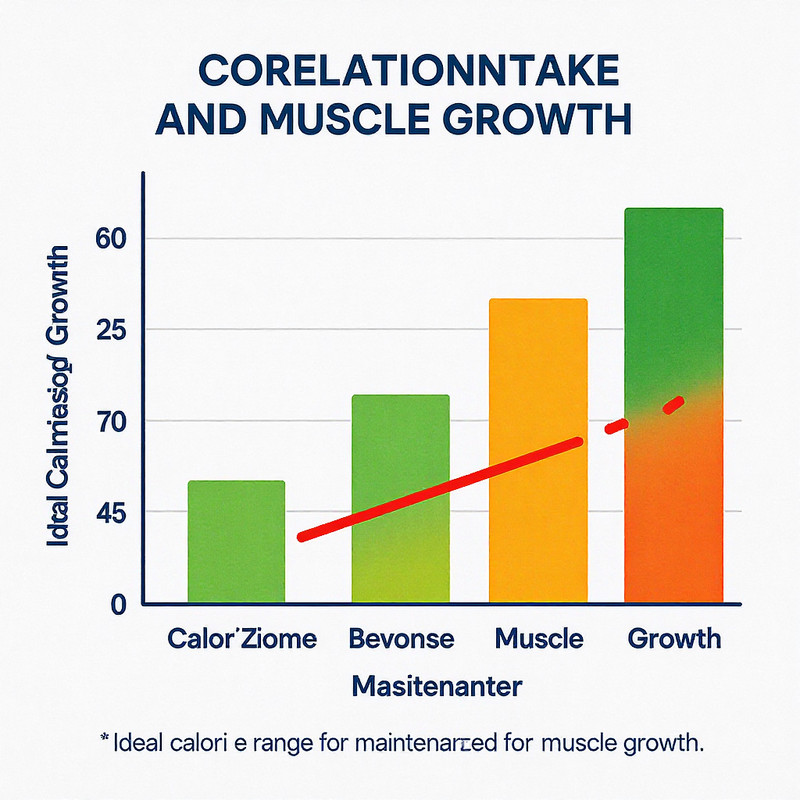
Visual guide to caloric surplus for muscle growth
A study published in the American Journal of Clinical Nutrition found that smaller caloric surpluses resulted in a higher ratio of muscle-to-fat gain compared to larger surpluses. This is particularly important for beginners who have the potential to gain muscle at an accelerated rate during their first year of proper training.
Macronutrient Ratios for Optimal Muscle Growth
While total calories are important for determining whether you'll gain weight, the composition of those calories (macronutrient ratios) determines the quality of that weight gain—specifically how much is muscle versus fat.
Protein: The Building Blocks of Muscle
Protein is the most critical macronutrient for muscle growth, providing the amino acids necessary for muscle repair and synthesis. The International Society of Sports Nutrition recommends:
1.6 to 2.2 grams of protein per kilogram of bodyweight per day
(or 0.7 to 1.0 grams per pound of bodyweight per day)
For a 180 lb (82 kg) individual, this translates to approximately 130-180 grams of protein daily. Distribute this across 3-6 meals with each containing 20-40 grams of high-quality protein to maximize muscle protein synthesis throughout the day.
Carbohydrates: Fuel for Training and Recovery
Carbohydrates are your body's primary energy source during high-intensity training. They also play a crucial role in recovery by replenishing glycogen stores and supporting protein synthesis. Aim for:
4 to 7 grams of carbohydrates per kilogram of bodyweight per day
Your specific carbohydrate needs will depend on your training volume and intensity. On heavy training days, aim for the higher end of this range, while on rest days or lighter training days, the lower end may be more appropriate.
Fats: Essential for Hormone Production
Dietary fats, particularly saturated and monounsaturated fats, are essential for testosterone production and overall hormonal health. Aim for:
0.5 to 1.5 grams of fat per kilogram of bodyweight per day
Focus on healthy fat sources like avocados, nuts, seeds, olive oil, and fatty fish while limiting processed and trans fats.
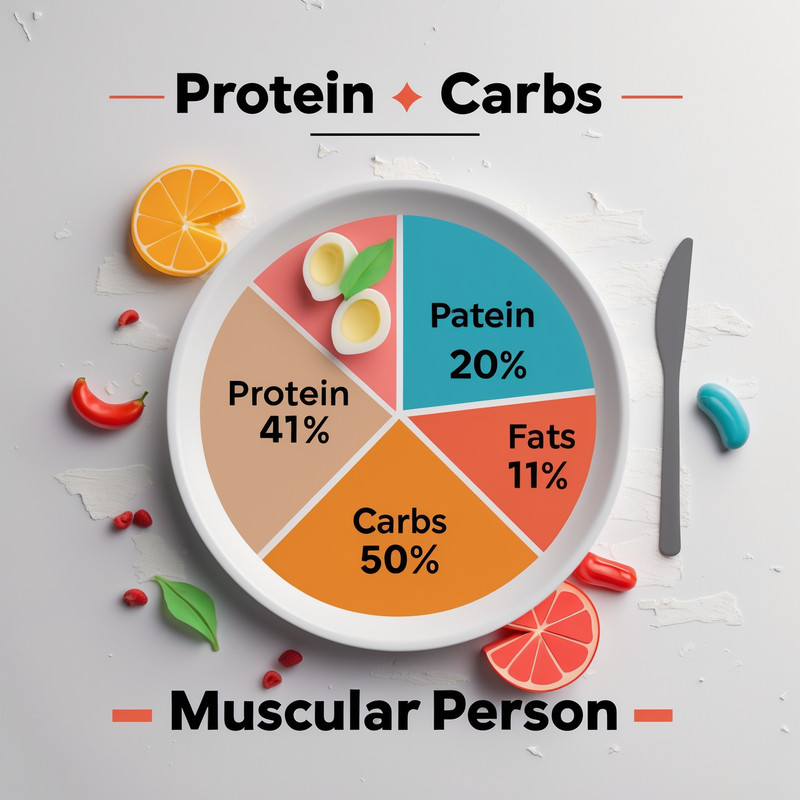
Optimal macronutrient distribution for muscle building
Meal Timing and Frequency: Does It Matter?
While total daily nutrition is the most important factor for muscle growth, meal timing can provide an additional advantage when optimized correctly.
The Pre-Workout Meal
Consuming a meal containing both protein and carbohydrates 1-3 hours before your workout can enhance performance and provide amino acids during your training session. A study in the Journal of the International Society of Sports Nutrition found that pre-workout protein consumption increased muscle protein synthesis more effectively than post-workout protein alone.
The Post-Workout Window
While the "anabolic window" isn't as narrow as once believed, consuming protein within 1-2 hours after training does appear to optimize recovery and muscle growth. Aim for 20-40 grams of high-quality protein along with some carbohydrates to replenish glycogen stores.
Meal Frequency
Research suggests that consuming protein across 3-6 meals throughout the day results in greater muscle protein synthesis compared to fewer large meals. This doesn't mean you need to eat every 2-3 hours religiously, but spreading your protein intake across multiple meals can be beneficial.
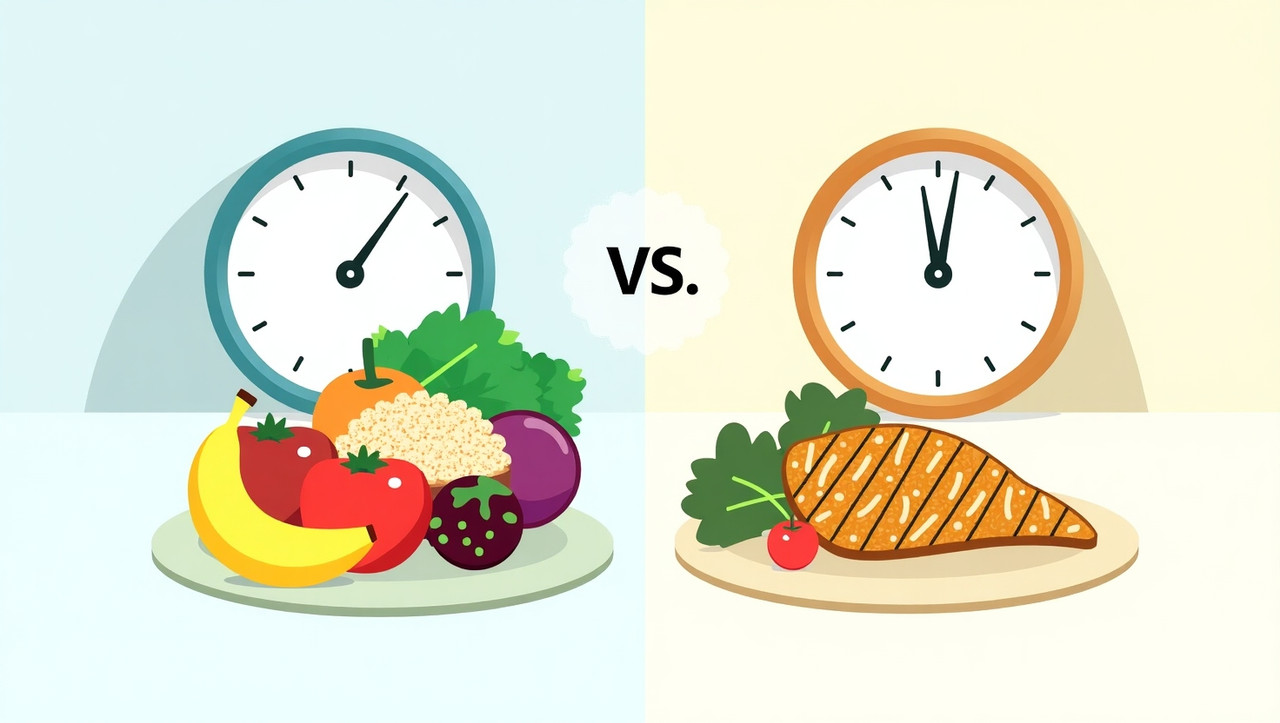
Optimal meal timing for muscle growth
Food Quality: Building Your Muscle-Building Plate
While hitting your macronutrient targets is important, the quality of those nutrients matters for overall health, performance, and body composition.
High-Quality Protein Sources
- Animal-based: Chicken breast, turkey, lean beef, eggs, fish, Greek yogurt, cottage cheese, whey protein
- Plant-based: Tofu, tempeh, lentils, chickpeas, quinoa, hemp seeds, plant-based protein powders
Complex Carbohydrate Sources
- Oats, brown rice, quinoa, sweet potatoes, whole grain bread, fruits, vegetables
Healthy Fat Sources
- Avocado, nuts, seeds, olive oil, coconut oil, fatty fish (salmon, mackerel)
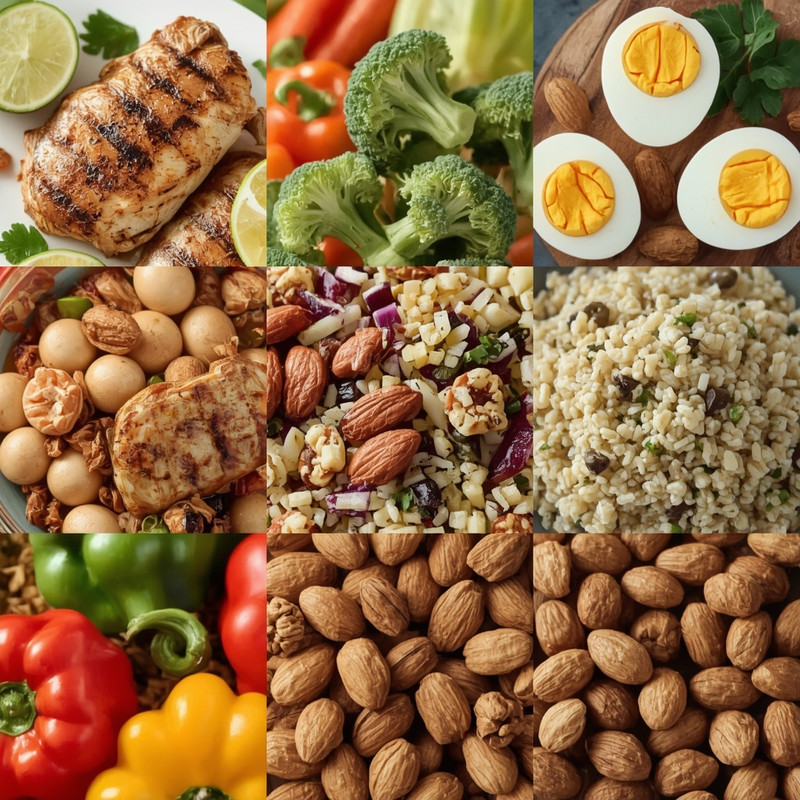
High-quality foods for muscle building
Sample 7-Day Muscle-Building Meal Plan
Here's a practical sample meal plan designed for a 180 lb (82 kg) individual aiming to build muscle. Adjust portion sizes based on your specific caloric needs.
Day 1
- Breakfast: 4 eggs, 2 slices whole grain toast, 1 avocado
- Lunch: 6 oz grilled chicken breast, 1 cup brown rice, 2 cups mixed vegetables
- Snack: Greek yogurt with berries and almonds
- Dinner: 8 oz salmon, 1 large sweet potato, asparagus
- Post-workout: Protein shake with banana
Day 2
- Breakfast: Protein oatmeal with whey protein, peanut butter, and berries
- Lunch: Lean ground turkey with quinoa and roasted vegetables
- Snack: Cottage cheese with pineapple and walnuts
- Dinner: Lean steak with roasted potatoes and green beans
- Post-workout: Protein shake with oats
Continue with similar variations for the rest of the week, ensuring you hit your daily macronutrient targets with diverse, whole food sources.
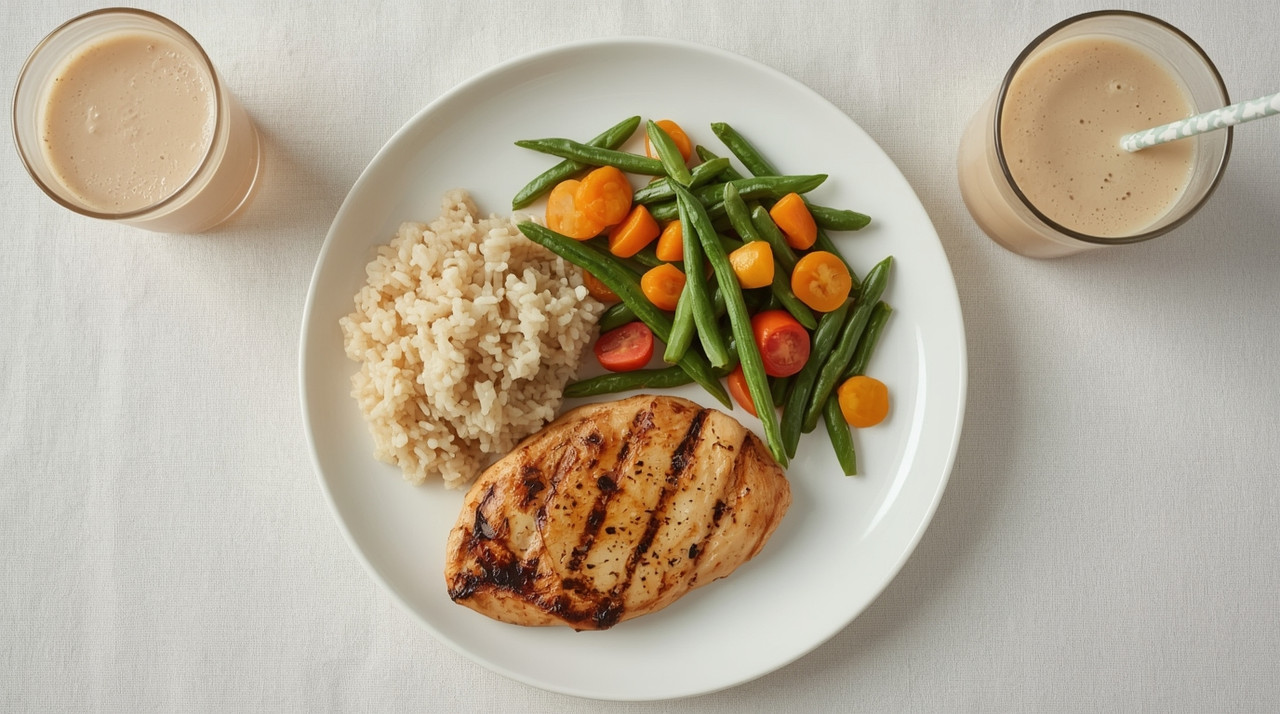
Example of a complete muscle-building meal
Hydration: The Often Overlooked Factor
Proper hydration is crucial for performance, recovery, and overall health. Even mild dehydration can significantly impair strength and endurance. Aim for:
3-4 liters of water per day
Increase this amount if you train intensely or in hot environments. Additionally, consider adding electrolytes during prolonged training sessions.
Supplements: What Actually Works?
While supplements should never replace a solid nutrition foundation, some can provide additional benefits for muscle growth.
Evidence-Based Supplements
- Whey Protein: Convenient source of high-quality protein
- Creatine Monohydrate: Well-researched for improving strength and muscle mass
- Beta-Alanine: May improve endurance during high-intensity exercise
- Caffeine: Can enhance focus and energy during workouts
Supplements to Avoid
Most "testosterone boosters" and proprietary blend supplements have little scientific support and are often marketing hype. Focus your supplement budget on the basics that actually work.
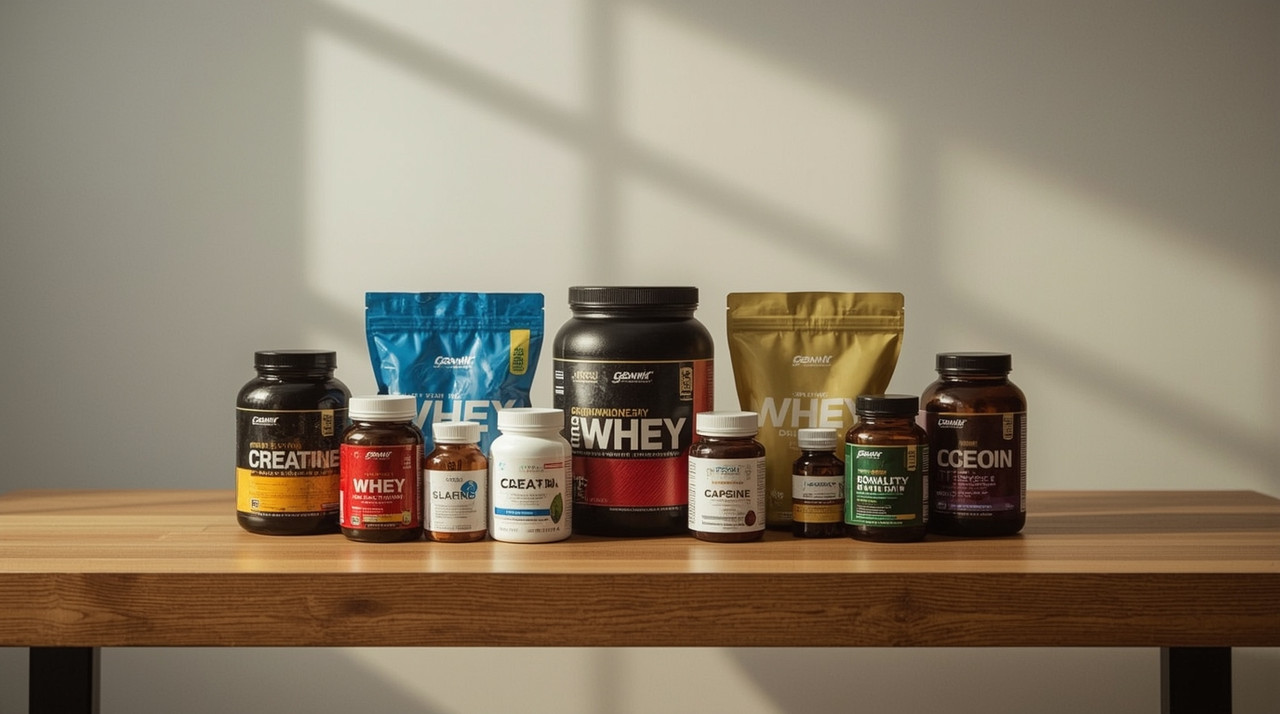
Evidence-based supplements for muscle growth
Tracking Progress and Making Adjustments
Consistently tracking your progress is essential for determining whether your diet is working and making necessary adjustments.
Key Metrics to Track
- Body weight: Weigh yourself weekly under consistent conditions
- Strength progress: Are you getting stronger in your main lifts?
- Body measurements: Track changes in waist, arms, chest, etc.
- Progress photos: Visual documentation of changes over time
When to Adjust Your Diet
If you're not gaining weight at the desired rate (0.25-0.5 kg per week), increase your calories by 200-300 per day. If you're gaining weight too quickly with significant fat gain, slightly reduce your calories while maintaining protein intake.
Tracking your progress is essential for making necessary adjustments to your diet plan
Key Takeaways and Final Recommendations
Building muscle as a beginner requires a strategic approach to nutrition that supports your training efforts. Here are the most important principles to remember:
- Caloric Surplus: Consume 250-500 calories above maintenance for optimal muscle growth with minimal fat gain.
- Protein Priority: Aim for 1.6-2.2 g/kg of bodyweight daily from high-quality sources.
- Macronutrient Balance: Don't neglect carbohydrates and healthy fats, which support training performance and hormonal health.
- Meal Timing: Distribute protein across 3-6 meals, with special attention to pre- and post-workout nutrition.
- Food Quality: Focus on whole, nutrient-dense foods that support overall health and performance.
- Consistency: Adhere to your plan consistently for at least 8-12 weeks before making major changes.
Remember that building muscle is a marathon, not a sprint. Be patient, stay consistent with both your training and nutrition, and trust the process. The results will come with time and dedication.
Conclusion
The ultimate muscle-building diet plan for beginners isn't about extreme measures or complicated strategies. It's about mastering the fundamentals: consuming a slight caloric surplus with adequate protein, spread across multiple meals, from mostly whole food sources.
By implementing the principles outlined in this guide—calculating your caloric needs, optimizing your macronutrient ratios, timing your meals strategically, and choosing high-quality foods—you'll create the ideal nutritional environment for muscle growth.
Pair this nutrition plan with a well-designed resistance training program, prioritize recovery through sleep and stress management, and remain consistent in your efforts. This comprehensive approach will maximize your muscle-building potential and set you on the path to transforming your physique.
Join the conversation