How Often to Increase Weight for Muscle Growth: Science-Backed Progression Guide
How Often Should I Increase Weight to Keep Stimulating Muscle Growth?

You've been consistent with your workouts, eating properly, and getting adequate rest, but suddenly the gains have stalled. The weights that once felt challenging now seem manageable, and you're left wondering: how often should I increase weight to keep stimulating muscle growth? This fundamental question lies at the heart of progressive overload—the cornerstone principle of strength training and hypertrophy. Understanding the optimal frequency for increasing resistance isn't just about adding plates to the bar; it's about strategically challenging your muscles to adapt and grow without risking injury or burnout.
In this comprehensive guide, we'll explore the science behind progressive overload, provide evidence-based timelines for weight progression across different experience levels, and offer practical strategies to implement these principles effectively. Whether you're a beginner looking to make consistent progress or an advanced lifter seeking to break through stubborn plateaus, this article will provide the clarity you need to optimize your training frequency and maximize your muscle growth potential.
The Science of Progressive Overload: Why Increasing Weight Matters
Progressive overload is the gradual increase of stress placed upon the body during exercise training. When you challenge your muscles beyond their current capacity, you create microscopic damage to muscle fibers. This damage triggers a cellular response that repairs and rebuilds the fibers, making them larger and stronger than before—a process known as muscle hypertrophy (Schoenfeld, 2010).
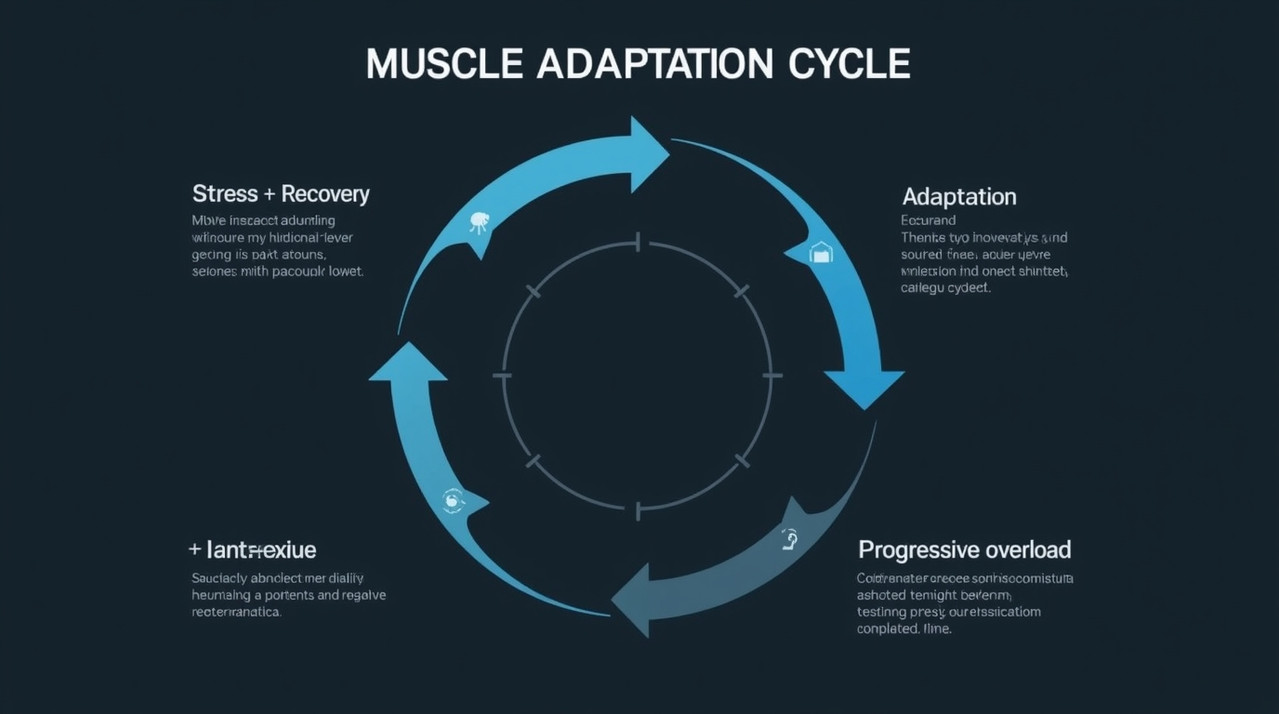
The Muscle Adaptation Cycle
Your muscles adapt to stress through a predictable cycle:
- Stress Application: You lift weights that challenge your current strength level
- Recovery Phase: Muscles repair during rest periods, becoming slightly stronger
- Adaptation: Your body prepares to handle similar stress more efficiently
- Progressive Challenge: You increase the stress to trigger further adaptation
Without progressive overload, your muscles have no reason to grow larger or stronger. They've already adapted to the current stress level. This is why understanding how often to increase weight for muscle growth becomes critical for long-term progress.
Mechanisms of Muscle Growth
Research has identified three primary mechanisms through which resistance training stimulates muscle growth:
- Mechanical Tension: The force generated by muscle contractions against resistance
- Muscle Damage: Microscopic trauma to muscle fibers that triggers repair processes
- Metabolic Stress: The accumulation of metabolites like lactate during anaerobic exercise
Increasing weight primarily targets mechanical tension, which is considered the most important driver of long-term muscle growth (Wackerhage & Schoenfeld, 2021).
Optimal Weight Increase Frequency by Experience Level
The frequency at which you should increase weight depends significantly on your training experience, recovery capacity, and specific goals. Here's a detailed breakdown by experience level:
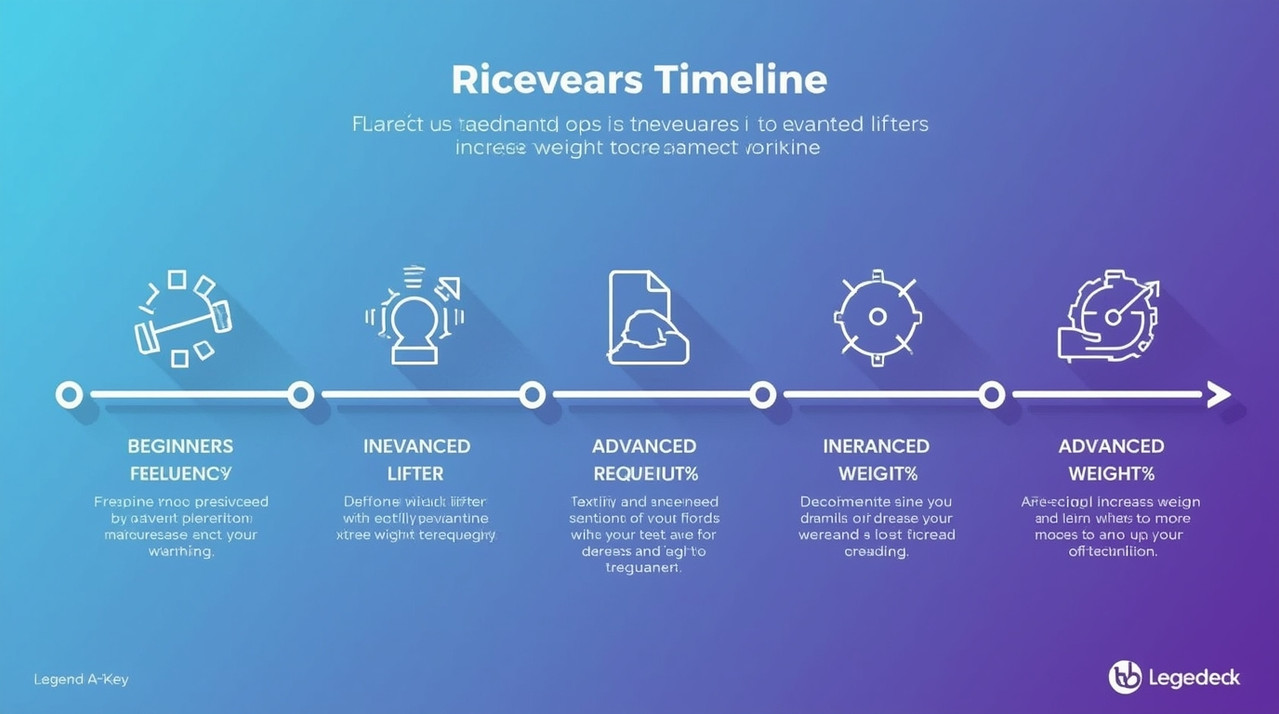
Beginner Lifters (0-6 months training)
Frequency: Every 1-2 weeks
Increase: 2.5-5 lbs (1-2 kg) for upper body, 5-10 lbs (2-4 kg) for lower body
Rationale: Beginners experience rapid neurological adaptations and can handle frequent increases
Intermediate Lifters (6 months - 2 years)
Frequency: Every 2-4 weeks
Increase: 2.5-5 lbs (1-2 kg) for most exercises
Rationale: Progress slows as you approach genetic potential, requiring more strategic increases
Advanced Lifters (2+ years)
Frequency: Every 4-8 weeks
Increase: 2.5-5 lbs (1-2 kg) with occasional micro-loading (1 lb/0.5 kg)
Rationale: Small, consistent increases become crucial as you approach genetic limits
Practical Signs It's Time to Increase Weight
Beyond following general timelines, learning to recognize the specific signs that indicate you're ready to increase weight is crucial for optimal progress. Here are the key indicators:
Performance-Based Indicators
- Repetition Target Exceeded: You can complete 1-2 more reps than your target with proper form for 2 consecutive workouts
- RPE Decrease: Your Rate of Perceived Exertion drops significantly at your current weight
- Technique Mastery: Your form remains perfect throughout all sets without breakdown
- Recovery Improvement: You experience less soreness and fatigue between sessions
When NOT to Increase Weight

Progressive Overload Methods Beyond Increasing Weight
While increasing weight is the most straightforward method of progressive overload, it's not the only approach. Incorporating multiple progression strategies can help you continue making gains even when adding weight becomes challenging.
| Method | How to Implement | Best For |
|---|---|---|
| Weight Increase | Add 2.5-5 lbs when you exceed rep targets | All levels, especially beginners |
| Repetition Progression | Increase reps while maintaining same weight | Plateau periods, higher rep ranges |
| Volume Increase | Add 1-2 sets to your exercises | Intermediate/advanced lifters |
| Density Training | Complete same work in less time | Time-efficient workouts |
| Technique Improvement | Better mind-muscle connection, control | All levels, skill development |
Sample Progressive Overload Program
Here's a practical 4-week program demonstrating how to implement weight increases systematically:
Bench Press Progression Example
| Week | Weight | Sets x Reps | Progression Trigger |
|---|---|---|---|
| 1 | 155 lbs | 3×8 | Baseline |
| 2 | 155 lbs | 3×9 | +1 rep on all sets |
| 3 | 160 lbs | 3×8 | Increased weight after exceeding rep target |
| 4 | 160 lbs | 3×9 | +1 rep on all sets |
This pattern continues, with weight increases typically occurring every 2-4 weeks for intermediate lifters. For a complete program, check out our progressive overload training program.
Factors Influencing How Often You Can Increase Weight
Several individual factors affect your ability to increase weight consistently. Understanding these can help you set realistic expectations and optimize your progression strategy.
Recovery Capacity
Your ability to recover between sessions significantly impacts how quickly you can progress. Factors affecting recovery include:
- Sleep Quality: Aim for 7-9 hours of quality sleep nightly
- Nutrition: Sufficient protein (1.6-2.2g/kg bodyweight) and overall calories
- Stress Management: High stress levels impair recovery and progress
- Age: Recovery capacity typically decreases with age
Genetic Factors
While often overemphasized, genetic factors do play a role in progression rates:
- Muscle Fiber Type: Fast-twitch dominant individuals may progress faster in strength
- Leverages: Individual biomechanics affect strength potential in specific lifts
- Recovery Genetics: Natural variations in recovery capacity and injury susceptibility
Training Variables
Your specific training approach influences progression frequency:
- Frequency: Training each muscle group 2-3 times weekly often yields faster progress
- Volume: Moderate volumes (10-20 sets weekly per muscle group) optimize progress
- Exercise Selection: Compound movements typically allow more consistent progression

Common Mistakes in Weight Progression
Many lifters undermine their progress by making these common mistakes when attempting to increase weight:
Increasing Weight Too Quickly
The temptation to add large weight jumps can lead to:
- Technique breakdown and increased injury risk
- Plateauing sooner as you exhaust easy progress
- Inconsistent performance between workouts
Not Increasing Weight When Appropriate
Conversely, staying with the same weight for too long can:
- Stall progress as adaptation occurs
- Limit strength and muscle gains
- Reduce motivation through lack of challenge
Neglecting Other Progression Methods
Relying solely on weight increases ignores other effective progression strategies like volume, density, and technique improvements.
Advanced Progression Strategies
For experienced lifters who've exhausted linear progression, these advanced strategies can help continue progress:
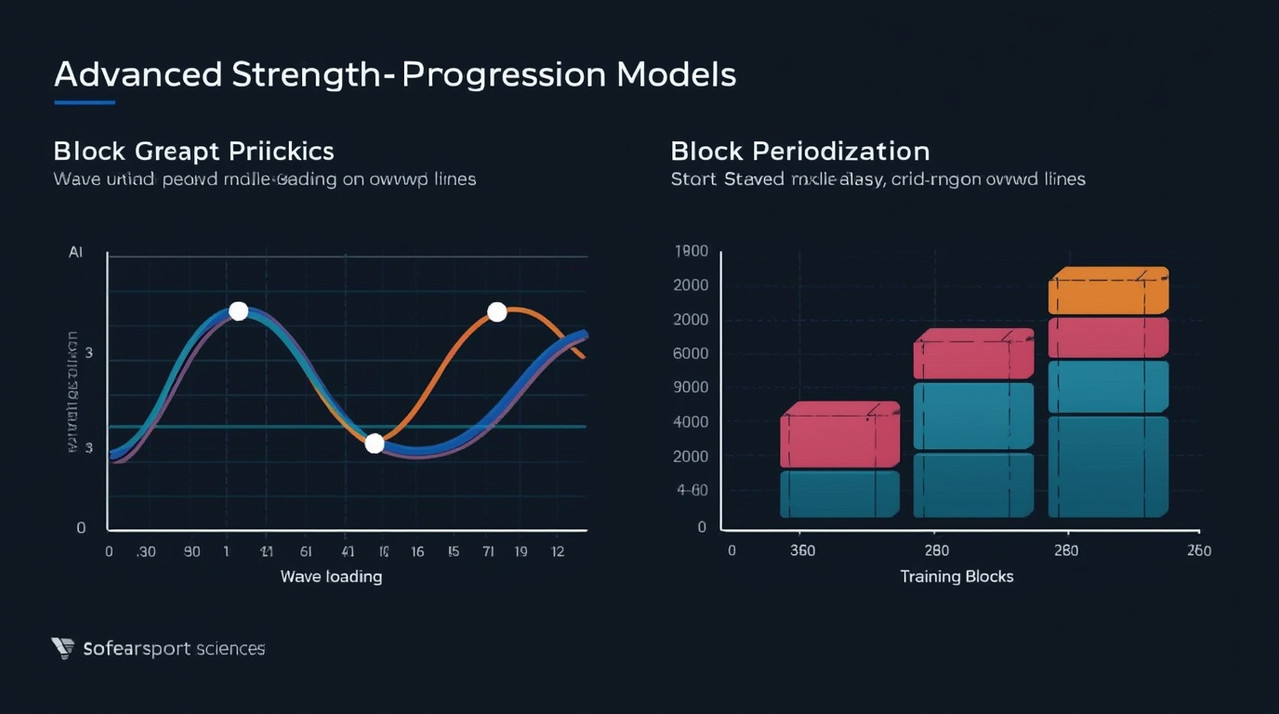
Wave Loading Progression
This approach varies intensity across weeks in a predictable pattern:
- Week 1: 3×8 at 75% 1RM
- Week 2: 3×5 at 80% 1RM
- Week 3: 3×3 at 85% 1RM
- Week 4: Deload at 60% 1RM
- Week 5: Increase all weights by 2.5-5% and repeat
Double Progression Model
This method uses rep ranges rather than fixed rep targets:
- Select a weight you can lift for 6-8 reps with good form
- Continue with this weight until you can complete 10-12 reps
- Then increase weight to return to the 6-8 rep range
- Repeat the process continuously
Block Periodization
This structured approach divides training into specific blocks with different objectives:
- Accumulation Block (4-6 weeks): Higher volume, moderate intensity
- Intensification Block (3-4 weeks): Lower volume, higher intensity
- Realization Block (1-2 weeks): Peaking for performance testing
Nutrition and Recovery for Optimal Progression
Your ability to increase weight consistently depends heavily on proper nutrition and recovery strategies. Without these foundational elements, even the most perfectly programmed progression scheme will fail.
Nutrition for Strength Progression
To support consistent strength increases, ensure adequate:
- Protein Intake: 1.6-2.2 g/kg bodyweight daily for muscle repair
- Carbohydrates: Sufficient fuel for high-intensity training sessions
- Caloric Intake: Moderate surplus (250-500 calories) for weight gain phases
- Hydration: Proper fluid balance for performance and recovery
Recovery Optimization
Maximize recovery between sessions through:
- Sleep Quality: 7-9 hours with consistent sleep-wake times
- Active Recovery: Light movement on rest days
- Stress Management: Techniques like meditation, breathing exercises
- Deload Weeks: Planned reduction in volume/intensity every 4-8 weeks
For comprehensive recovery strategies, explore our complete muscle recovery guide.
Tracking Your Progress Effectively
Consistent tracking is essential for making informed decisions about when to increase weight. Implement these tracking methods:
Workout Logging
Record these key metrics for each exercise:
- Weight used for each set
- Reps completed with proper form
- Rate of Perceived Exertion (RPE) for each set
- Technique notes and how the weight felt
Progression Indicators Beyond Weight
Track these additional markers of progress:
- Volume Load: Sets × Reps × Weight
- Relative Strength: Strength relative to bodyweight
- Technique Quality: Improved movement efficiency
- Recovery Metrics: Sleep quality, energy levels, soreness

Frequently Asked Questions
How often should beginners increase weight?
Beginners can typically increase weight every 1-2 weeks, focusing on 2.5-5 lb increments for upper body and 5-10 lb increments for lower body exercises.
What if I can't increase weight anymore?
When weight increases stall, focus on other progression methods: increasing reps, adding sets, improving technique, decreasing rest periods, or implementing advanced training techniques.
Should I increase weight if my form breaks down?
No. Always prioritize proper form over weight increases. If your technique breaks down, reduce the weight and focus on mastering the movement pattern before progressing.
How much weight should I add each time?
For most exercises, add 2.5-5 lbs (1-2 kg). For lower body compound movements, 5-10 lb (2-4 kg) increases may be appropriate for beginners.
Does the rate of weight increase slow down over time?
Yes, this is normal. As you approach your genetic potential, progress naturally slows, requiring more patience and smaller, more strategic increases.
Ready to Optimize Your Training Progression?
Join our community of lifters who are making consistent gains through science-backed progression strategies.
Download Our Free Progressive Overload Mastery Guide
Get Your Free Guide NowIncludes customizable templates, progression strategies, and plateau-breaking techniques
References
- Schoenfeld, B. J. (2010). The mechanisms of muscle hypertrophy and their application to resistance training. Journal of Strength and Conditioning Research, 24(10), 2857-2872. View Study
- Wackerhage, H., & Schoenfeld, B. J. (2021). Personalized, evidence-informed training plans and exercise prescriptions for performance, fitness and health. Sports Medicine, 51(9), 1805-1813. View Study
- Suchomel, T. J., Nimphius, S., & Stone, M. H. (2016). The importance of muscular strength in athletic performance. Sports Medicine, 46(10), 1419-1449. View Study
- Grgic, J., Schoenfeld, B. J., Skrepnik, M., Davies, T. B., & Mikulic, P. (2018). Effects of rest interval duration in resistance training on measures of muscular strength: a systematic review. Sports Medicine, 48(1), 137-151. View Study
- American College of Sports Medicine. (2009). American College of Sports Medicine position stand. Progression models in resistance training for healthy adults. Medicine and Science in Sports and Exercise, 41(3), 687-708. View Study
Join the conversation